
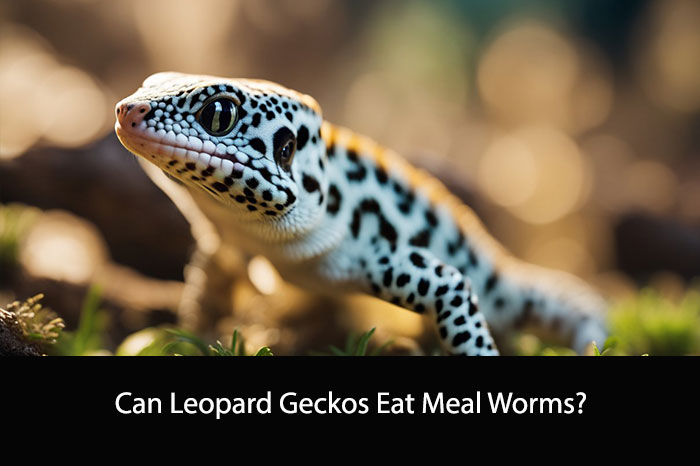
Leopard geckos are one of the most popular reptiles kept as pets. They are easy to care for, have unique personalities, and are relatively low maintenance. However, one of the most commonly asked questions by leopard gecko owners is whether or not they can eat mealworms.
The answer is yes, leopard geckos can eat mealworms. In fact, mealworms are a staple food item for many leopard geckos and are a great source of protein. However, it is important to note that mealworms should not be the only food item in a leopard gecko’s diet. Variety is key to providing a balanced and nutritious diet for your pet.
When feeding mealworms to your leopard gecko, it is important to ensure that the mealworms are gut-loaded and dusted with calcium and vitamin supplements. This will help to ensure that your gecko is getting all of the necessary nutrients they need to thrive. Additionally, it is important to feed appropriately sized mealworms to avoid any potential choking hazards.
Nutritional Value of Mealworms
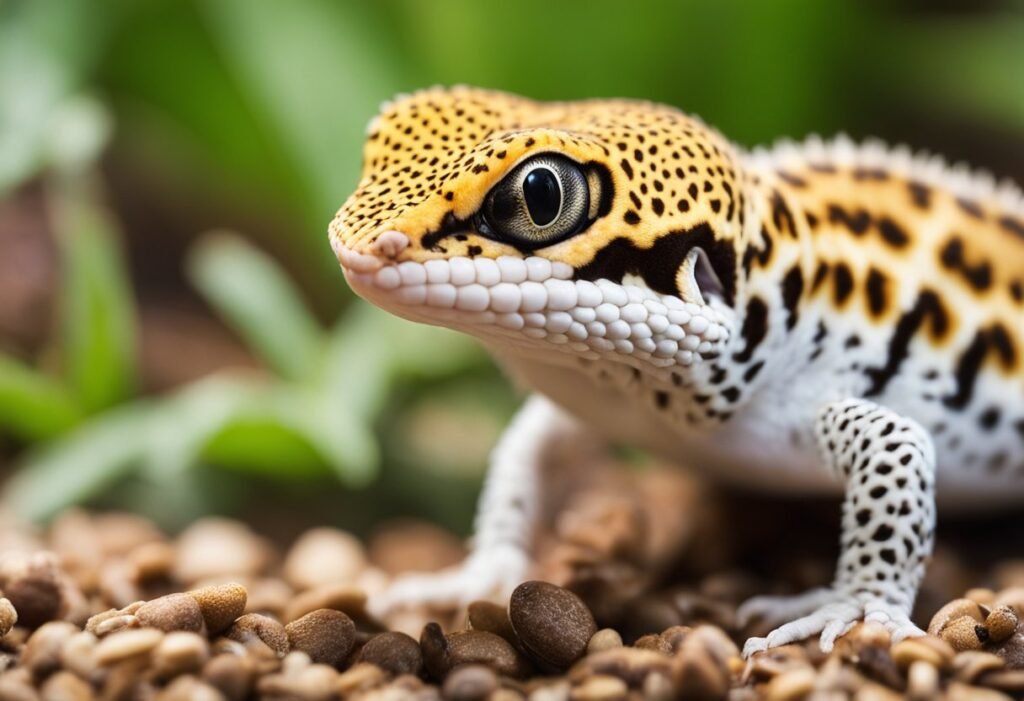
When it comes to feeding leopard geckos, mealworms are a popular choice due to their high nutritional value. In this section, we will discuss the protein content, fat content, vitamins, and minerals found in mealworms.
Protein Content
Mealworms are an excellent source of protein, which is essential for the growth and development of leopard geckos. They contain approximately 20% protein, making them a great addition to a gecko’s diet. Protein is necessary for muscle growth and repair, as well as for the production of enzymes and hormones.
Fat Content
While mealworms are high in protein, they are also high in fat. They contain around 13% fat, which is an important source of energy for leopard geckos. However, too much fat in their diet can lead to obesity and other health problems. It is important to feed mealworms in moderation and to provide a balanced diet.
Vitamins and Minerals
Mealworms are also a good source of vitamins and minerals. They contain vitamins B1, B2, and B3, which are important for energy production and metabolism. They also contain minerals such as calcium, phosphorus, and potassium, which are essential for bone health and muscle function.
Overall, mealworms are a nutritious and beneficial addition to a leopard gecko’s diet. However, it is important to feed them in moderation and to provide a balanced diet that includes other sources of nutrients.
Feeding Leopard Geckos Mealworms
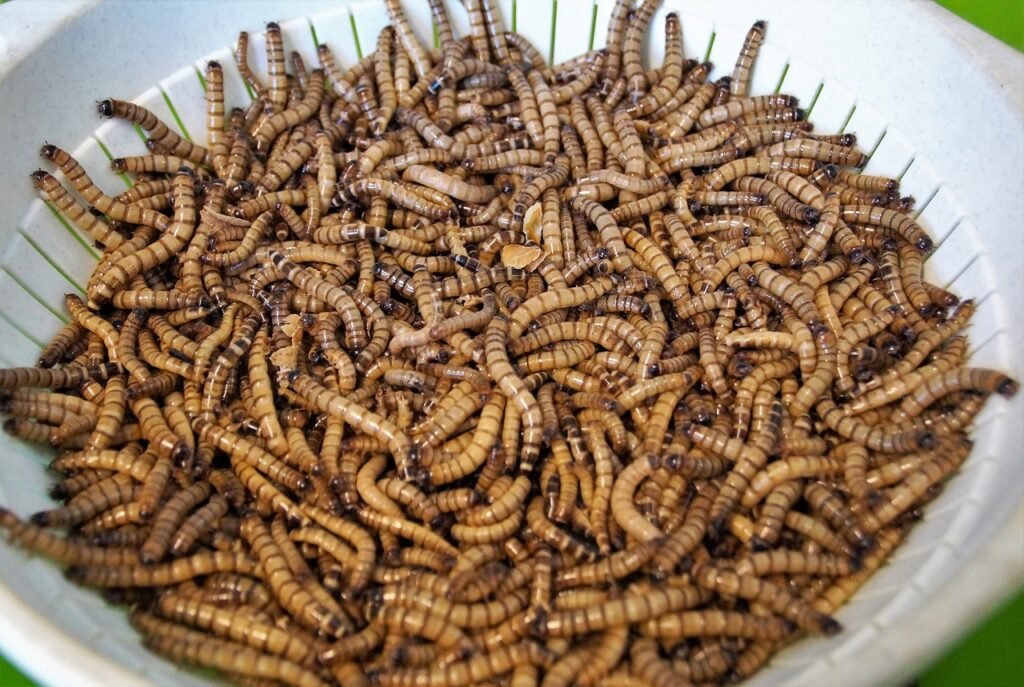
How to Feed
Feeding leopard geckos mealworms is a simple process that can be done in a few easy steps. First, make sure the mealworms are of appropriate size for your gecko. Adult geckos can eat larger mealworms, while younger geckos may need smaller ones. Next, place the mealworms in a shallow dish or container that is easy for your gecko to access. Finally, monitor your gecko while it eats to ensure it is not overeating or choking on the mealworms.
Quantity and Frequency
When feeding mealworms to leopard geckos, it is important to consider quantity and frequency. Adult geckos can be fed a few mealworms every other day, while younger geckos may need to be fed more frequently. It is important not to overfeed your gecko, as this can lead to obesity and other health problems. A good rule of thumb is to feed your gecko as many mealworms as it can eat in 10-15 minutes.
Live vs Dried Mealworms
Leopard geckos can eat both live and dried mealworms. Live mealworms provide more stimulation and exercise for your gecko, but they can also be more difficult to store and may pose a risk of escape. Dried mealworms are easier to store and can be purchased in bulk, but they do not provide the same level of stimulation for your gecko. Ultimately, the choice between live and dried mealworms comes down to personal preference and convenience.
Benefits of Mealworms in a Leopard Gecko’s Diet

Mealworms are a popular food choice for leopard geckos, and for good reason. They provide a variety of nutritional benefits that are essential for a healthy and balanced diet.
One of the main benefits of mealworms is their high protein content. Protein is essential for muscle growth and repair, and leopard geckos require a diet that is high in protein to stay healthy. Mealworms are also a good source of fat, which provides energy and helps with nutrient absorption.
In addition to protein and fat, mealworms also contain important vitamins and minerals that are essential for leopard geckos. For example, mealworms are a good source of calcium, which is important for healthy bones and teeth. They also contain vitamin E, which is essential for a healthy immune system.
Another benefit of mealworms is their convenience. They are easy to store and can be purchased in bulk, making them a cost-effective food choice for leopard gecko owners. They also have a long shelf life, so they can be kept on hand for whenever your leopard gecko needs a meal.
Overall, mealworms are a nutritious and convenient food choice for leopard geckos. However, it’s important to remember that they should not be the only food in your leopard gecko’s diet. Variety is key, so be sure to offer a balanced diet that includes a variety of insects and other foods.
Potential Risks and Considerations
When feeding leopard geckos mealworms, there are some potential risks and considerations that we should keep in mind. In this section, we will discuss the impaction risk, nutritional imbalance, and allergies and sensitivities that may arise from feeding mealworms to leopard geckos.
Impaction Risk
One of the main concerns when feeding mealworms to leopard geckos is the risk of impaction. Mealworms have a hard exoskeleton that can be difficult for leopard geckos to digest. If a leopard gecko eats too many mealworms or eats them too quickly, the undigested exoskeletons can accumulate in the digestive system, leading to impaction.
To minimize the risk of impaction, we should only feed appropriately sized mealworms to our leopard geckos. We should also avoid feeding too many mealworms at once and ensure that our geckos have access to clean water at all times.
Nutritional Imbalance
Another consideration when feeding mealworms to leopard geckos is the risk of nutritional imbalance. Mealworms are high in fat and low in calcium, which can lead to health problems if they make up a significant portion of our gecko’s diet.
To prevent nutritional imbalances, we should feed a varied diet that includes other insects, such as crickets and dubia roaches, as well as gut-loaded mealworms. We should also dust our gecko’s food with a calcium supplement to ensure they are getting enough of this essential nutrient.
Allergies and Sensitivities
Finally, we should be aware that some leopard geckos may have allergies or sensitivities to mealworms. If our gecko shows signs of an allergic reaction, such as swelling or difficulty breathing, we should stop feeding mealworms immediately and consult a veterinarian.
In summary, while mealworms can be a nutritious and convenient food source for leopard geckos, we should be aware of the potential risks and considerations. By feeding appropriately sized mealworms, providing a varied diet, and monitoring for allergies and sensitivities, we can help keep our geckos healthy and happy.
Preparing Mealworms for Your Leopard Gecko
When it comes to feeding your leopard gecko, mealworms are a great option. However, it is important to properly prepare them to ensure your gecko is getting the necessary nutrients. Here are some tips on preparing mealworms for your leopard gecko.
Gut Loading
Before feeding mealworms to your leopard gecko, it is important to “gut load” them. This means feeding the mealworms nutrient-rich foods so that they, in turn, provide those nutrients to your gecko. Some good options for gut loading mealworms include carrots, sweet potatoes, and leafy greens. It is important to avoid feeding them citrus fruits or sugary foods as these can be harmful to your gecko.
Dusting with Supplements
In addition to gut loading, it is important to “dust” your mealworms with supplements. This ensures that your gecko is getting all the necessary vitamins and minerals. Calcium powder is a common supplement used for leopard geckos, but you can also use a multivitamin powder. Simply put the mealworms in a plastic bag with a small amount of the powder and shake until they are coated.
By properly preparing mealworms for your leopard gecko, you can ensure that they are getting the necessary nutrients for a healthy and happy life.
Alternatives to Mealworms
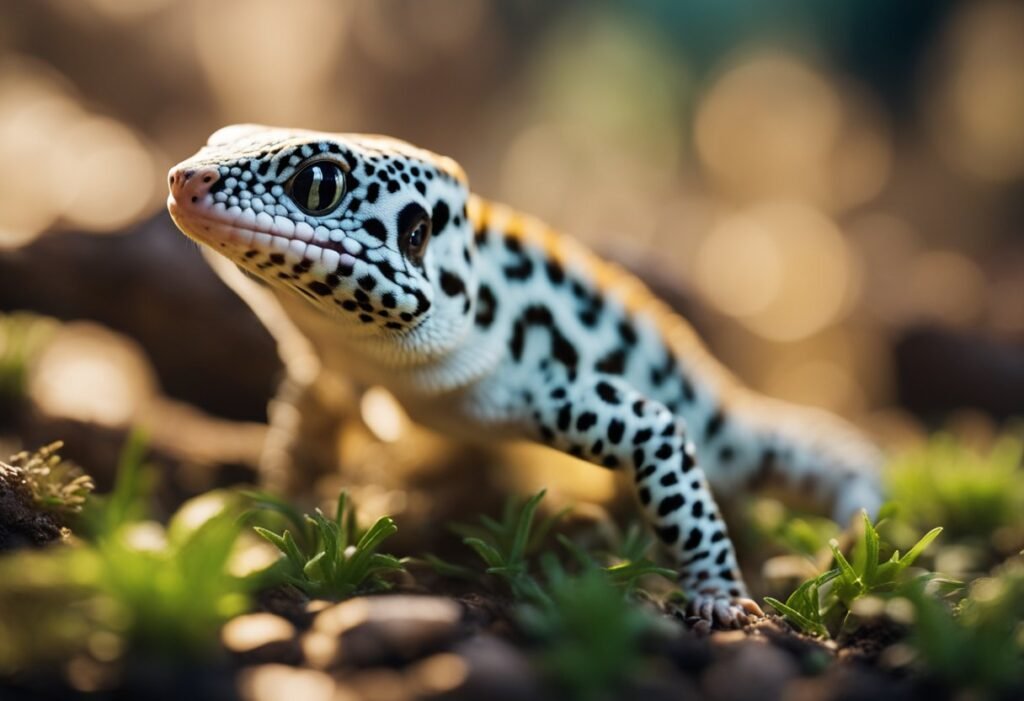
If you’re looking for alternatives to mealworms to feed your leopard gecko, there are several options available. Here are a few:
Crickets
Crickets are a popular choice for leopard geckos. They are high in protein and easy to find at most pet stores. You can also order them online in bulk. Make sure to feed your gecko appropriately sized crickets and dust them with calcium powder before feeding.
Waxworms
Waxworms are a tasty treat for leopard geckos, but they should only be fed in moderation due to their high fat content. They are a good source of moisture and can help keep your gecko hydrated. Waxworms can be purchased at most pet stores or online.
Dubia Roaches
Dubia roaches are a nutritious alternative to mealworms. They are high in protein and low in fat, making them a healthy choice for your gecko. Dubia roaches are also easy to digest and can help prevent impaction. They can be purchased online or at some pet stores.
Remember to always research the nutritional needs of your leopard gecko and consult with a veterinarian if you have any concerns about their diet.
Frequently Asked Questions
Are mealworms a safe dietary choice for leopard geckos?
Yes, mealworms are a safe dietary choice for leopard geckos as long as they are fed in moderation and are not the sole source of their diet. Mealworms are high in protein and fat, which are essential for leopard geckos to maintain their health. However, it is important to ensure that the mealworms are properly gut-loaded and dusted with calcium and vitamin supplements before feeding them to your leopard gecko.
How often should leopard geckos be fed mealworms?
Leopard geckos should be fed mealworms 2-3 times a week, depending on their age and size. Younger and smaller geckos may require more frequent feedings, while older and larger geckos may require less frequent feedings. It is important to monitor your gecko’s weight and adjust their feeding schedule accordingly.
Can feeding my leopard gecko too many mealworms cause health issues?
Feeding your leopard gecko too many mealworms can cause health issues such as obesity and impaction. It is important to feed them in moderation and offer a variety of insects to ensure a balanced diet. Additionally, make sure the mealworms are appropriately sized for your gecko to prevent choking or digestive problems.
What alternative insects can be offered to leopard geckos besides mealworms?
Leopard geckos can also be fed a variety of insects such as crickets, dubia roaches, and waxworms. It is important to offer a variety of insects to ensure a balanced diet and prevent boredom. Some geckos may prefer certain insects over others, so it is important to experiment and find what works best for your gecko.
Is it necessary to supplement a leopard gecko’s diet when feeding them mealworms?
Yes, it is necessary to supplement a leopard gecko’s diet when feeding them mealworms. Mealworms are low in calcium and other essential vitamins and minerals, so it is important to dust them with calcium and vitamin supplements before feeding them to your gecko. This will help prevent nutritional deficiencies and ensure their overall health.
Should mealworms be alive or dead when offered to leopard geckos?
Either option is acceptable, as long as the mealworms are properly gut-loaded and dusted with supplements. Some geckos may prefer live mealworms, while others may prefer dead ones. It is important to observe your gecko’s behavior and feeding preferences to determine what works best for them.