
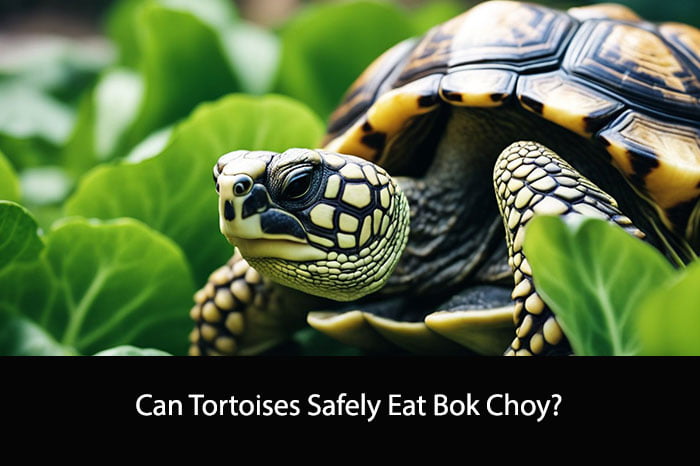
Tortoises are herbivores and require a balanced diet to stay healthy. Owners often wonder what vegetables they can safely feed their pet tortoises. One such vegetable is bok choy, a type of Chinese cabbage commonly used in stir-fries and soups.
Bok choy is a nutritious vegetable that is low in calories and high in vitamins and minerals. It contains vitamins A, C, and K, as well as calcium, potassium, and folate. However, it is important to note that not all vegetables are safe for tortoises to eat, and some can even be harmful. So, can tortoises eat bok choy? Let’s find out.
Understanding Tortoise Diet

When it comes to tortoise diet, it is important to understand that different species have different dietary requirements. However, all tortoises are primarily herbivores and require a diet that is high in fiber and low in protein and fat.
In the wild, tortoises have access to a wide variety of plants, including grasses, leafy greens, flowers, and fruits. In captivity, it is important to replicate this variety in their diet to ensure they are receiving all the necessary nutrients.
One common misconception is that tortoises can survive on a diet of lettuce alone. While lettuce can be included in their diet, it is important to vary it with other leafy greens such as kale, collard greens, and dandelion greens.
It is also important to avoid feeding tortoises foods that are high in oxalates, such as spinach and beet greens, as these can bind to calcium and prevent its absorption. Similarly, foods that are high in phosphorus, such as carrots and sweet potatoes, should be fed in moderation.
Overall, a balanced and varied diet is key to maintaining a healthy tortoise. Consult with a veterinarian or reptile expert for specific dietary recommendations for your tortoise’s species and age.
Bok Choy: An Overview
Bok choy, also known as Chinese cabbage, is a leafy green vegetable commonly used in Asian cuisine. It is a member of the Brassica family, which includes broccoli, cauliflower, and kale. Bok choy has a mild, slightly sweet flavor and a crisp texture.
This vegetable is low in calories and high in nutrients, making it a healthy addition to any diet. It is an excellent source of vitamins A, C, and K, as well as calcium, iron, and potassium. Bok choy also contains antioxidants that help protect against cancer and other chronic diseases.
When selecting bok choy, look for firm, unblemished leaves and a crisp stem. It can be eaten raw or cooked, and is often used in stir-fries, soups, and salads. Bok choy can also be pickled or fermented, which enhances its flavor and nutritional value.
While bok choy is generally safe for tortoises to eat, it should be fed in moderation. Too much bok choy can cause digestive issues, such as diarrhea. It is important to provide a balanced diet that includes a variety of vegetables and other foods to ensure the health and well-being of your tortoise.
Nutritional Value of Bok Choy
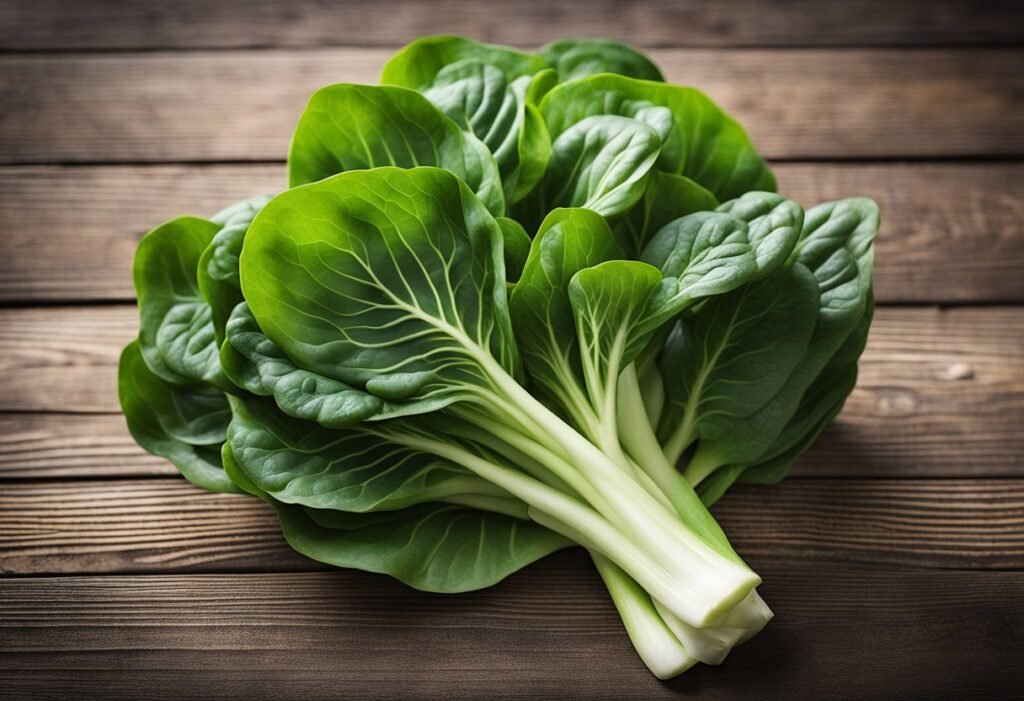
Bok choy is a type of leafy green vegetable that is often used in Asian cuisine. It is a low-calorie vegetable that is packed with nutrients, making it a great addition to any diet. Here are some of the key nutritional benefits of bok choy:
Vitamins and Minerals
Bok choy is an excellent source of vitamins A and C, which are important for maintaining healthy skin, eyes, and immune function. It also contains high levels of calcium, potassium, and iron, which are essential minerals for maintaining strong bones and healthy blood.
Antioxidants
Bok choy is rich in antioxidants, which are compounds that help protect the body against damage from free radicals. Free radicals are unstable molecules that can cause damage to cells and contribute to the development of chronic diseases such as cancer, heart disease, and Alzheimer’s disease.
Low in Calories
Bok choy is a low-calorie vegetable, which makes it a great choice for people who are trying to lose weight or maintain a healthy weight. One cup of chopped bok choy contains only 9 calories, making it a great addition to salads, stir-fries, and soups.
High in Fiber
Bok choy is also a good source of dietary fiber, which is important for maintaining healthy digestion and preventing constipation. One cup of chopped bok choy contains 1 gram of fiber, which is about 4% of the recommended daily intake.
Overall, bok choy is a nutritious and delicious vegetable that can be enjoyed in a variety of dishes. It is a great source of vitamins, minerals, antioxidants, and fiber, making it a valuable addition to any healthy diet.
Can Tortoises Eat Bok Choy
Bok choy is a type of Chinese cabbage that is commonly used in Asian cuisine. As tortoise owners, we may wonder whether our pets can eat bok choy or not. In this section, we will explore the benefits and potential risks of feeding bok choy to tortoises.
Benefits of Bok Choy for Tortoises
Bok choy is a nutritious vegetable that can provide some benefits to tortoises if fed in moderation. Here are some of the benefits:
- Low in calories: Bok choy is a low-calorie vegetable, which makes it a great option for tortoises that need to maintain a healthy weight.
- High in fiber: Bok choy is high in fiber, which can aid in digestion and prevent constipation in tortoises.
- Rich in vitamins and minerals: Bok choy is a good source of vitamins A, C, and K, as well as calcium, potassium, and iron. These nutrients can help support a tortoise’s overall health.
Potential Risks of Bok Choy for Tortoises
While bok choy can be beneficial for tortoises, it is important to feed it in moderation and be aware of the potential risks. Here are some of the risks:
- High in oxalates: Bok choy is high in oxalates, which can bind to calcium and prevent its absorption. This can lead to the formation of bladder stones in tortoises if fed in excess.
- Imbalance of calcium and phosphorus: Bok choy contains more phosphorus than calcium, which can lead to an imbalance in a tortoise’s diet if fed too often.
- Digestive issues: Bok choy can cause digestive issues in tortoises if fed in large quantities. It is important to introduce it slowly and in small amounts to avoid any problems.
In conclusion, bok choy can be a nutritious addition to a tortoise’s diet if fed in moderation. However, it is important to be aware of the potential risks and feed it in small amounts to avoid any digestive issues or other health problems.
How to Feed Bok Choy to Tortoises
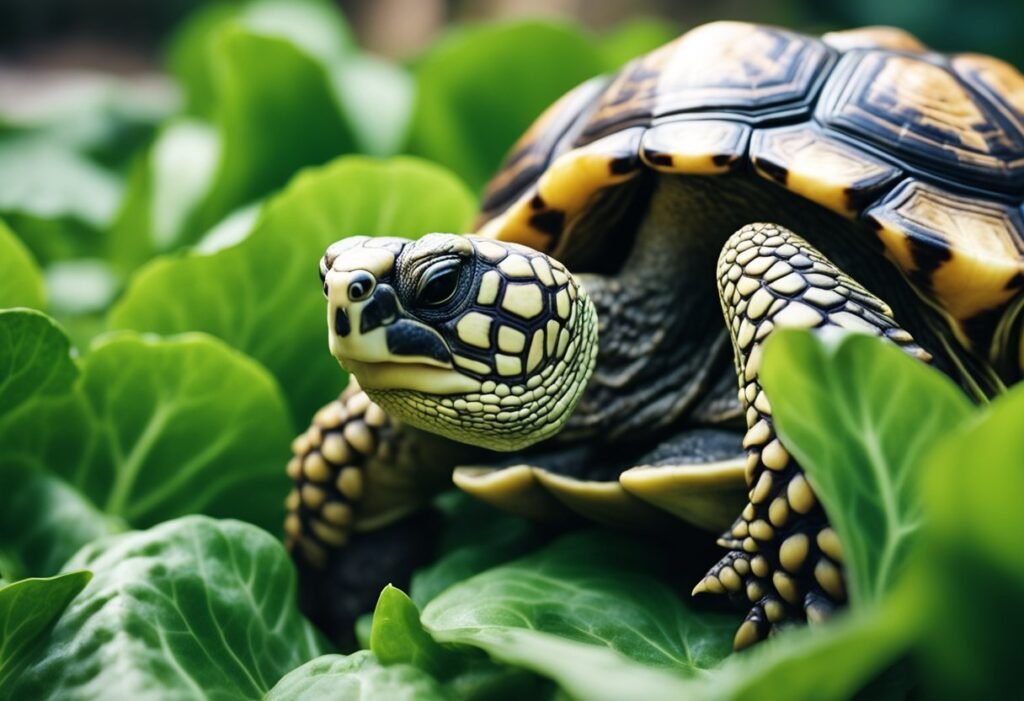
When it comes to feeding tortoises, it’s important to choose the right type of food to ensure they receive the necessary nutrients. Bok choy is a nutritious vegetable that can be given to tortoises in moderation.
Preparation Methods
Before feeding bok choy to your tortoise, it’s important to prepare it properly. Rinse the bok choy thoroughly under running water to remove any dirt or debris. You can then chop it up into small pieces to make it easier for your tortoise to eat.
Feeding Frequency and Quantity
While bok choy is a healthy food for tortoises, it should be fed in moderation. Too much bok choy can cause digestive issues, so it’s important to limit the amount you feed your tortoise. We recommend feeding bok choy to your tortoise once or twice a week, and in small quantities.
It’s also important to note that bok choy should not be the only food in your tortoise’s diet. A balanced diet should include a variety of vegetables, fruits, and protein sources. Make sure to consult with your veterinarian to ensure your tortoise is receiving a well-balanced diet.
In summary, bok choy can be a nutritious addition to your tortoise’s diet when fed in moderation. Proper preparation and feeding frequency are key to ensuring your tortoise stays healthy and happy.
Alternatives to Bok Choy in Tortoise Diet
When it comes to feeding tortoises, bok choy is a popular choice among pet owners. However, it is not the only option available. In fact, there are several other vegetables that are safe and nutritious for tortoises to consume.
One alternative to bok choy is kale. Kale is a leafy green vegetable that is high in calcium and other essential nutrients. It is also low in oxalates, which can be harmful to tortoises in large quantities. Other leafy greens that are safe for tortoises to eat include collard greens, mustard greens, and dandelion greens.
Another option for tortoise owners is to feed their pets a variety of vegetables. Carrots, bell peppers, and cucumbers are all safe for tortoises to consume in moderation. These vegetables are rich in vitamins and minerals that are essential for a tortoise’s health.
It is important to note that while these vegetables are safe for tortoises to eat, they should not be the only items in their diet. Tortoises require a balanced diet that includes a variety of foods, including hay, fruits, and protein sources such as insects or cooked eggs.
In conclusion, bok choy is not the only vegetable that is safe for tortoises to consume. Kale, collard greens, mustard greens, and dandelion greens are all good alternatives, as are carrots, bell peppers, and cucumbers. It is important to provide a varied diet to ensure that your tortoise receives all of the nutrients it needs to stay healthy.
Conclusion
In conclusion, bok choy can be a healthy addition to a tortoise’s diet. While it should not be the sole source of food, it can provide important nutrients and variety. However, it is important to ensure that the bok choy is thoroughly washed and chopped into small pieces to prevent choking.
As with any new food, it is important to introduce bok choy gradually and monitor your tortoise for any adverse reactions. If you notice any digestive issues or changes in behavior, it may be best to avoid feeding bok choy in the future.
Overall, while bok choy is not a necessary part of a tortoise’s diet, it can be a healthy and tasty treat in moderation. As responsible pet owners, it is our duty to provide our tortoises with a balanced and varied diet to ensure their health and longevity.
Frequently Asked Questions
What vegetables can Sulcata tortoises eat?
Sulcata tortoises can eat a variety of vegetables, including bok choy, kale, collard greens, mustard greens, dandelion greens, and turnip greens. It is important to provide a variety of vegetables to ensure they receive a balanced diet.
What can tortoises eat?
Tortoises can eat a variety of foods, including vegetables, fruits, and grasses. It is important to research specific dietary requirements for your tortoise species and provide a balanced diet.
How much should I feed my baby Sulcata tortoise?
Baby Sulcata tortoises should be fed daily and should have access to food throughout the day. Offer a variety of vegetables and fruits and monitor their intake to ensure they are eating enough.
Can tortoises eat cranberries?
Cranberries are safe for tortoises to eat in moderation. However, they should not be a staple in their diet as they are high in sugar.
Can Sulcata tortoises eat broccoli?
Sulcata tortoises can eat broccoli, but it should be given in moderation as it is high in goitrogens, which can interfere with thyroid function.
Can tortoises eat dill?
Dill is safe for tortoises to eat in moderation. However, it should not be a staple in their diet as it is not a significant source of nutrition.