
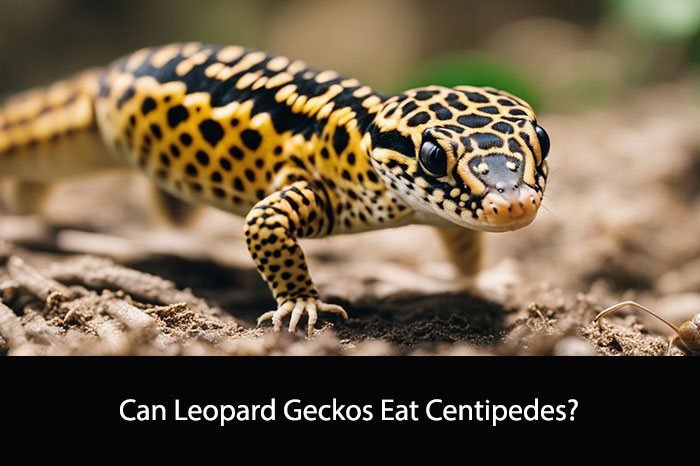
Leopard geckos are fascinating reptiles that make great pets. They are known for their unique appearance, docile nature, and ease of care. As with any pet, it is important to provide them with a balanced and nutritious diet. While there are many commercially available foods for leopard geckos, some owners like to supplement their diet with live prey. One question that often arises is whether leopard geckos can eat centipedes.
Centipedes are a common prey item for many reptiles and amphibians. They are high in protein and other nutrients that are important for a healthy diet. However, not all prey items are suitable for all animals. Leopard geckos have specific dietary requirements, and it is important to ensure that any live prey offered to them is safe and nutritious. In this article, we will explore whether leopard geckos can eat centipedes and provide some tips for feeding them a healthy and balanced diet.
Dietary Habits of Leopard Geckos
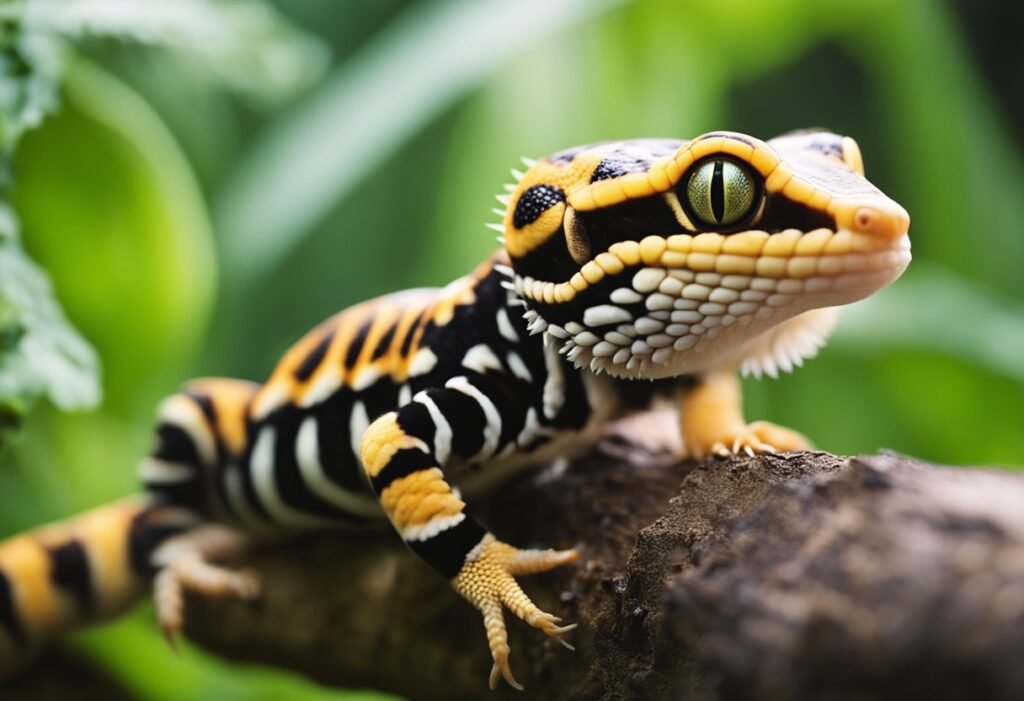
Leopard geckos are insectivores and their diet mainly consists of insects. They are known to eat a variety of insects such as crickets, mealworms, and waxworms. However, it is important to note that not all insects are safe for leopard geckos to consume.
Leopard geckos should never be fed insects that are too large for them to swallow or insects that have hard exoskeletons, such as beetles. These insects can cause impaction or blockages in their digestive system, which can be fatal.
In addition to avoiding certain insects, it is also important to provide a balanced diet for leopard geckos. This can be achieved by offering a variety of insects and occasionally supplementing their diet with calcium and vitamin D3.
While some leopard gecko owners may consider feeding their pets centipedes, it is not recommended. Centipedes can be toxic to leopard geckos and can cause serious health problems or even death. It is best to stick to safe and nutritious insects that are readily available at pet stores or online.
Overall, providing a well-balanced diet is crucial for the health and longevity of leopard geckos. By offering a variety of safe and nutritious insects, leopard gecko owners can ensure that their pets are getting the proper nutrition they need to thrive.
Potential Risks of Feeding Centipedes to Leopard Geckos
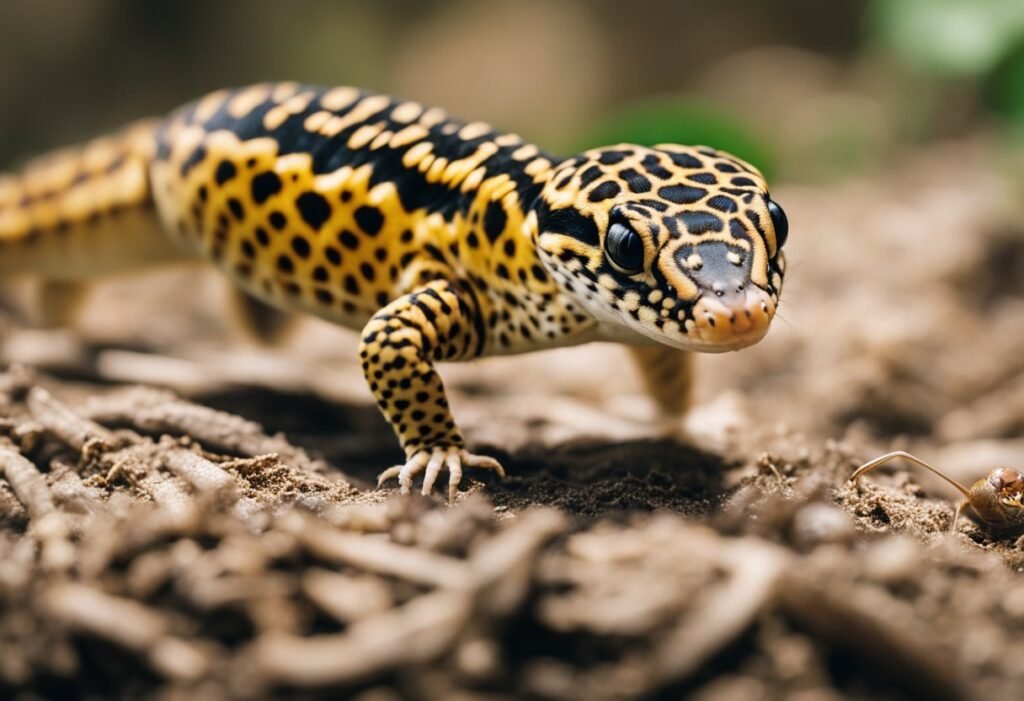
When it comes to feeding leopard geckos, it’s important to choose the right food. While some gecko owners may consider feeding centipedes to their pets, there are potential risks that should be considered.
Toxicity Concerns
Centipedes are known to produce venom that is toxic to their prey. While leopard geckos are generally able to handle small amounts of venom, larger centipedes can produce more venom than a gecko can handle. This can lead to symptoms such as lethargy, loss of appetite, and even death.
Choking Hazards
Centipedes have a hard exoskeleton that can be difficult for leopard geckos to digest. In addition, they have long, thin legs that can become lodged in a gecko’s throat, leading to choking. This can be especially dangerous for younger or smaller geckos.
Digestive Issues
Even if a leopard gecko is able to successfully consume a centipede, there is a risk of digestive issues. The hard exoskeleton can be difficult to break down, leading to constipation or impaction. This can cause serious health problems if not addressed promptly.
In conclusion, while it may be tempting to feed centipedes to leopard geckos, there are potential risks that should be carefully considered. We recommend sticking to safer, more easily digestible foods such as crickets or mealworms to ensure your gecko stays healthy and happy.
Nutritional Value of Centipedes for Leopard Geckos
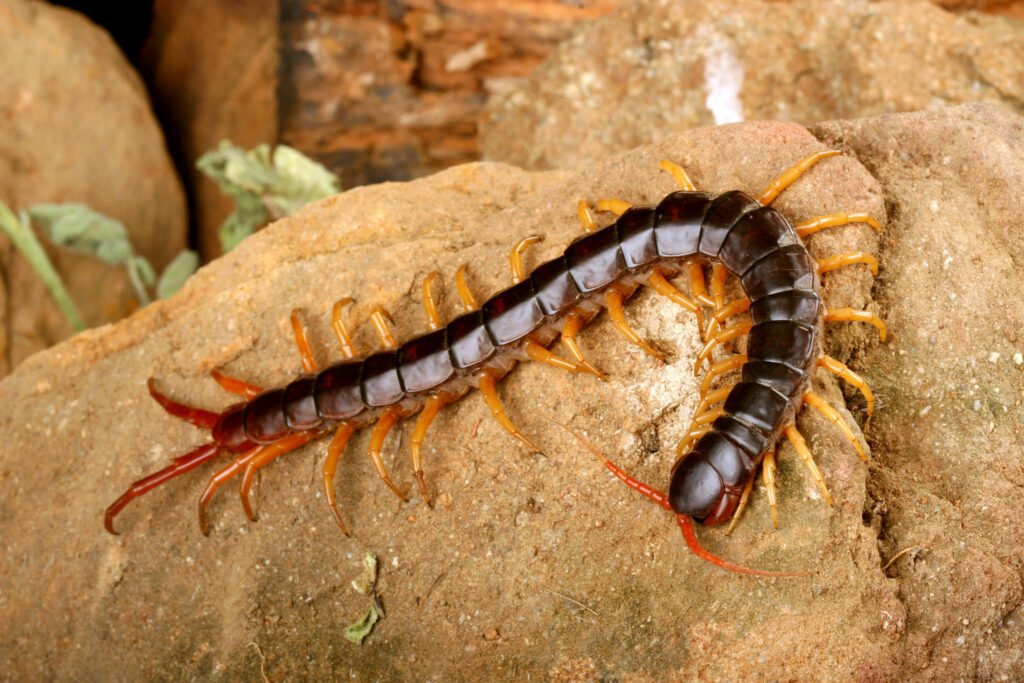
Centipedes are a common prey item for many reptiles including leopard geckos. While they may not be the most appetizing food item for us, they can be a nutritious addition to a leopard gecko’s diet.
Centipedes are high in protein, which is essential for leopard geckos to maintain their muscle mass and overall health. They also contain a variety of vitamins and minerals such as calcium, magnesium, and potassium. These nutrients are important for maintaining strong bones and a healthy immune system.
It’s important to note that not all centipedes are safe for leopard geckos to eat. Some species of centipedes can be toxic and should be avoided. It’s best to stick with smaller, non-toxic species such as house centipedes or stone centipedes.
When feeding centipedes to your leopard gecko, it’s important to ensure that they are properly gut-loaded. This means feeding them a nutritious diet before offering them to your gecko. You can also dust the centipedes with a calcium supplement to ensure that your gecko is getting enough of this important nutrient.
Overall, while centipedes may not be a staple food item for leopard geckos, they can be a nutritious addition to their diet when offered in moderation and with proper precautions.
Safe Feeding Practices for Leopard Geckos
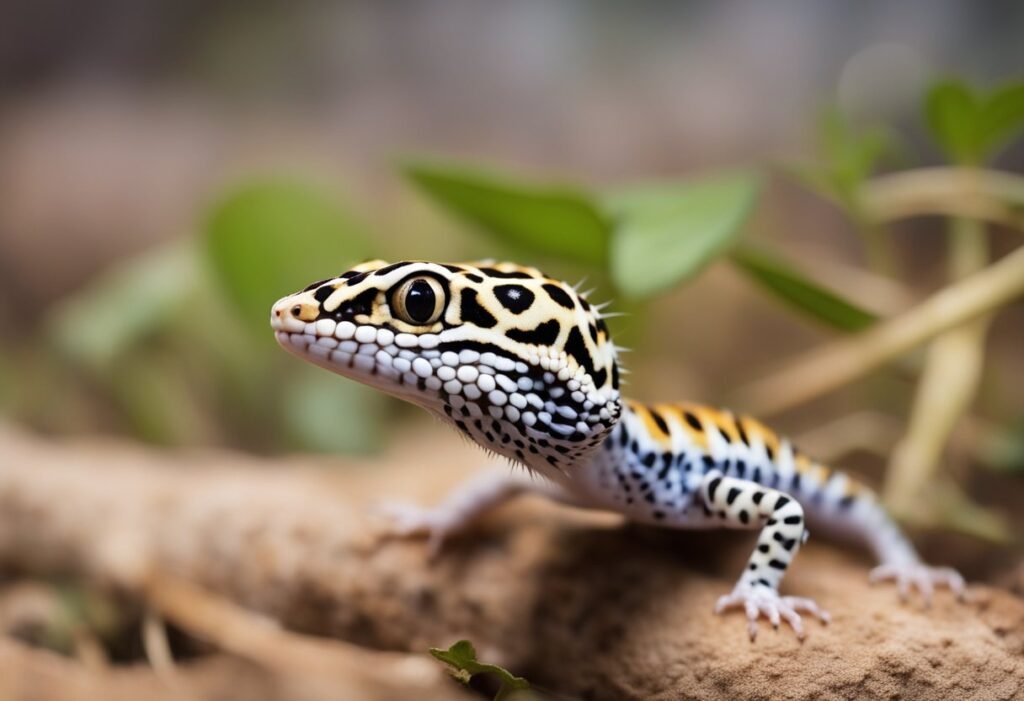
When feeding leopard geckos, it is important to ensure that they are getting the appropriate nutrition they need to stay healthy. In this section, we will discuss some safe feeding practices that you can follow to help keep your leopard gecko healthy.
Appropriate Prey Size
When feeding leopard geckos, it is important to consider the size of the prey that you are offering. Prey that is too large can cause digestive problems and may even lead to impaction. On the other hand, prey that is too small may not provide the necessary nutrients that your gecko needs.
As a general rule, the prey that you offer should be no larger than the width of your gecko’s head. This will help to ensure that your gecko can swallow the prey without any problems. If you are unsure about the appropriate prey size for your gecko, consult with your veterinarian.
Frequency of Feeding
Leopard geckos are carnivorous and require a diet that is high in protein. However, it is important not to overfeed your gecko. Overfeeding can lead to obesity, which can cause a variety of health problems.
As a general rule, juvenile leopard geckos should be fed every day, while adult geckos can be fed every other day. It is important to monitor your gecko’s weight and adjust their feeding schedule as needed.
In conclusion, following these safe feeding practices can help to ensure that your leopard gecko stays healthy and happy. Remember to always provide appropriate prey size and to monitor your gecko’s weight and feeding schedule. If you have any concerns about your gecko’s diet, consult with your veterinarian.
Alternatives to Centipedes in Leopard Gecko Diet
When it comes to feeding leopard geckos, centipedes might not be the best option due to their potential toxicity and risk of injury to your pet. Fortunately, there are several safe and nutritious alternatives to centipedes that you can include in your leopard gecko’s diet.
Commercial Gecko Food
One of the easiest ways to ensure your leopard gecko is getting a balanced diet is by feeding them commercial gecko food. These foods are formulated to provide all the necessary nutrients your pet needs and come in various forms, including pellets, powders, and canned or jarred food.
When selecting a commercial gecko food, it’s essential to choose one that is specifically designed for leopard geckos and is high in protein. Some popular brands include Repashy, Pangea, and Zoo Med.
Safe Live Prey Options
If you prefer to feed live prey to your leopard gecko, there are several safe options available that are less risky than centipedes. Some of the best live prey options for leopard geckos include:
- Crickets: Crickets are a staple in many leopard gecko diets and are readily available at most pet stores. They are high in protein and easy to digest, making them an excellent choice for your pet.
- Mealworms: Mealworms are another common live prey option for leopard geckos. They are high in protein and fat and can be purchased at most pet stores.
- Dubia Roaches: Dubia roaches are a nutritious and safe live prey option for leopard geckos. They are high in protein and low in fat and are less likely to carry parasites or diseases than other insects.
When feeding live prey to your leopard gecko, it’s essential to ensure that the insects are appropriately sized and gut-loaded, meaning they have been fed a nutritious diet before being fed to your pet.
Overall, there are several safe and nutritious alternatives to centipedes that you can include in your leopard gecko’s diet. By choosing commercial gecko food or safe live prey options, you can ensure that your pet is getting all the necessary nutrients without the potential risks associated with feeding centipedes.
Frequently Asked Questions

What types of insects are safe for leopard geckos to consume?
Leopard geckos are insectivorous and can consume a variety of insects, including crickets, mealworms, waxworms, and cockroaches. It is important to ensure that the insects are gut-loaded, meaning they have been fed a nutritious diet before being fed to the leopard gecko. Additionally, insects should be appropriately sized for the leopard gecko to prevent choking or digestive issues.
Are there any risks associated with feeding centipedes to leopard geckos?
Centipedes are not recommended as a food source for leopard geckos. Centipedes can be venomous and pose a risk to the health of the leopard gecko. It is recommended to stick to safe and nutritious insects for the leopard gecko’s diet.
What is the natural diet of a leopard gecko in the wild?
In the wild, leopard geckos primarily consume insects such as crickets, grasshoppers, and beetles. They may also consume small vertebrates such as lizards and rodents.
Can leopard geckos eat arachnids, such as spiders, without harm?
It is not recommended to feed leopard geckos arachnids such as spiders. Some species of spiders can be venomous and pose a risk to the health of the leopard gecko. It is best to stick to safe and nutritious insects for the leopard gecko’s diet.
How does the inclusion of various insects affect a leopard gecko’s health?
A varied diet of safe and nutritious insects can benefit a leopard gecko’s health by providing a range of essential nutrients. However, it is important to ensure that the insects are appropriately sized and gut-loaded to prevent digestive issues.
What are the dietary restrictions to consider when feeding a leopard gecko?
Leopard geckos should not be fed insects that are too large, as this can cause choking or digestive issues. Additionally, insects should be gut-loaded to ensure they are nutritious for the leopard gecko. It is also important to avoid feeding leopard geckos insects that are toxic or potentially harmful.