
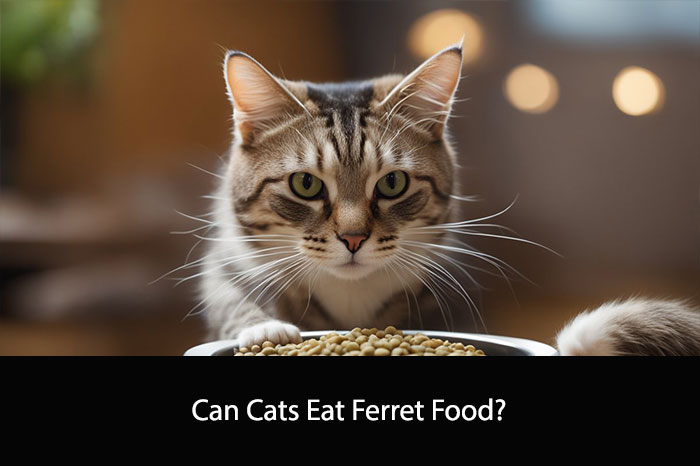
Cats are known to be picky eaters, and their owners often go to great lengths to provide them with a balanced and nutritious diet. However, sometimes cats may get curious about other types of food, and their owners may wonder if it is safe to feed them. One such question that arises is whether cats can eat ferret food.

Ferret food is specially formulated to meet the nutritional needs of ferrets, and it is often high in protein and fat. While cats and ferrets have similar dietary requirements, the nutritional needs of each species are slightly different. Therefore, it is important to consider whether ferret food is suitable for cats before feeding it to them. In this article, we will explore the question of whether cats can eat ferret food and provide some insights into the nutritional requirements of cats and ferrets.
Can Cats Eat Ferret Food

Ferret food is designed to meet the nutritional needs of ferrets, which are obligate carnivores just like cats. It is high in protein and fat, and low in carbohydrates. Therefore, some cat owners may wonder if it is safe to feed ferret food to their feline friends.
While cats can technically eat ferret food, it is not recommended as a regular part of their diet. Ferret food is formulated to meet the specific nutritional needs of ferrets, which differ from those of cats. For example, ferrets require higher levels of fat and protein than cats do. Feeding your cat a diet that is too high in fat and protein can lead to obesity, kidney problems, and other health issues.
Furthermore, ferret food may contain ingredients that are not suitable for cats. For instance, some ferret foods contain high levels of vitamin D, which can be toxic to cats in large amounts. Ferret food may also contain grains, which are not a natural part of a cat’s diet and can cause digestive problems.
In summary, while cats can eat ferret food in small amounts, it is not recommended as a regular part of their diet. It is important to feed your cat a high-quality cat food that is specifically formulated to meet their nutritional needs. If you have any concerns about your cat’s diet, consult with your veterinarian for personalized advice.
Nutritional Requirements of Cats

Cats are obligate carnivores, which means they require a diet rich in animal protein to meet their nutritional needs. In addition to protein, cats also require a balance of fats, vitamins, and minerals to maintain optimal health.
Proteins and Amino Acids
Proteins are essential for the growth and maintenance of body tissues, as well as the production of enzymes and hormones. Cats require a high amount of protein in their diet, with a minimum requirement of 26% on a dry matter basis. Amino acids are the building blocks of protein, and cats require specific essential amino acids that can only be obtained through their diet. These include taurine, arginine, and methionine.
Fats and Fatty Acids
Fats provide a concentrated source of energy and are essential for the absorption of fat-soluble vitamins. Cats require a moderate amount of fat in their diet, with a minimum requirement of 9% on a dry matter basis. Fatty acids, such as omega-3 and omega-6, are also important for maintaining healthy skin and coat.
Vitamins and Minerals
Vitamins and minerals are required in small amounts but play a crucial role in many physiological processes. Cats require a variety of vitamins, including vitamins A, D, E, and K, as well as B-complex vitamins. Minerals such as calcium, phosphorus, and magnesium are also essential for bone health and other bodily functions.
It is important to ensure that any food given to cats meets their specific nutritional requirements. While some ferret foods may contain similar ingredients, it is not recommended to feed cats ferret food as their primary diet.
Composition of Ferret Food

Ferret food is specially formulated to meet the nutritional needs of ferrets. It is a high-protein, high-fat diet that is rich in essential nutrients. The composition of ferret food can vary depending on the brand and type of food.
Protein Content
Protein is an essential nutrient for ferrets, as they are obligate carnivores. The protein content of ferret food is typically between 30% and 40%. The protein in ferret food comes from animal sources, such as chicken, turkey, and fish. The protein is usually listed as the first ingredient on the label.
Fat Content
Ferrets require a high-fat diet to maintain their energy levels. The fat content of ferret food is typically between 15% and 20%. The fat in ferret food comes from animal sources, such as chicken fat and fish oil. The fat is usually listed as the second or third ingredient on the label.
Additives and Ingredients
Ferret food may contain additives and ingredients to enhance the nutritional value and palatability of the food. Some common additives include vitamins, minerals, and probiotics. Some common ingredients include rice, corn, and wheat. It is important to read the label carefully to ensure that the food does not contain any harmful additives or ingredients that may be harmful to your cat.
In conclusion, ferret food is a high-protein, high-fat diet that is specially formulated to meet the nutritional needs of ferrets. While it may be tempting to feed your cat ferret food, it is important to remember that cats have different nutritional needs and may not thrive on a diet that is designed for ferrets.
Health Risks of Feeding Cats Ferret Food
Ferret food is specifically formulated for the nutritional needs of ferrets and is not intended for cats. Although cats and ferrets have similar dietary requirements, feeding cats with ferret food can pose several health risks.
Digestive Issues
Feeding cats with ferret food can cause digestive issues such as diarrhea, vomiting, and constipation. Ferret food contains a high amount of fat and protein, which can be difficult for cats to digest. Additionally, ferret food often contains ingredients that can irritate a cat’s digestive system, such as grains and fillers.
Nutritional Imbalances
Ferret food is formulated to meet the nutritional needs of ferrets, which differ from those of cats. Feeding cats with ferret food can result in nutritional imbalances, which can lead to health problems over time. For example, ferret food often contains high levels of vitamin D and protein, which can be harmful to cats if consumed in excess.
Toxic Ingredients
Ferret food may contain ingredients that are toxic to cats. For example, some ferret foods contain raisins or grapes, which are toxic to cats and can cause kidney failure. Additionally, ferret food may contain artificial preservatives, colors, and flavors that can be harmful to cats.
In conclusion, feeding cats with ferret food can pose several health risks, including digestive issues, nutritional imbalances, and exposure to toxic ingredients. It is important to provide cats with a diet that is specifically formulated for their nutritional needs to ensure their health and well-being.
Safe Dietary Practices for Cats
Cats are obligate carnivores, which means they require a diet that is rich in animal protein. While cats can eat some types of non-meat foods, such as vegetables and grains, they cannot survive on a vegetarian diet. Therefore, it is important for cat owners to ensure that their feline companions receive a balanced and nutritious diet that meets their unique nutritional needs.
Appropriate Cat Food Selection
When selecting cat food, it is important to choose a high-quality brand that is formulated specifically for cats. Cat food should be made from animal-based protein sources, such as chicken, turkey, or fish, and should not contain excessive amounts of fillers or artificial preservatives. Additionally, cat owners should avoid feeding their cats dog food or other non-cat-specific foods, as these may not meet their nutritional needs.
Understanding Cat Food Labels
Cat food labels can be confusing, but it is important for cat owners to understand them in order to make informed decisions about their cat’s diet. Look for labels that state that the food is “complete and balanced” or “formulated to meet AAFCO nutrient profiles.” These labels indicate that the food has been specifically designed to meet the nutritional needs of cats.
Frequency and Portion Size
Cats should be fed small, frequent meals throughout the day. The amount of food that a cat requires will depend on their age, weight, and activity level. Consult with a veterinarian to determine the appropriate portion size for your cat, and avoid overfeeding, as this can lead to obesity and other health problems.
In conclusion, providing a balanced and nutritious diet is essential for maintaining the health and well-being of cats. By selecting appropriate cat food, understanding food labels, and providing the correct portion sizes, cat owners can ensure that their feline companions receive the nutrition they need to thrive.
Alternatives to Ferret Food for Cats
Cats have specific nutritional requirements that must be met to keep them healthy and happy. While ferret food may be tempting to feed cats, it is not recommended as it does not provide the necessary nutrients that cats need. Here are some alternatives to ferret food for cats:
Homemade Cat Food Recipes
One option for feeding cats is to make homemade cat food. This allows you to control the ingredients and ensure that your cat is getting the nutrients they need. However, it is important to consult with a veterinarian or a veterinary nutritionist to ensure that the recipe is balanced and meets your cat’s nutritional needs.
Here are some homemade cat food recipes that you can try:
- Chicken and Rice: Cooked chicken, brown rice, and vegetables (such as carrots and green beans) can be mixed together to create a balanced meal for cats.
- Fish and Sweet Potato: Cooked fish, sweet potato, and a small amount of olive oil can be combined to create a nutrient-rich meal for cats.
- Beef and Egg: Cooked beef, scrambled eggs, and a small amount of cottage cheese can be mixed together to create a protein-rich meal for cats.
Commercial Cat Food Options
Commercial cat food is a convenient option for many cat owners. There are many different types of commercial cat food available, including dry food, wet food, and raw food. It is important to choose a high-quality cat food that meets your cat’s nutritional needs.
Here are some commercial cat food options that you can consider:
- Hill’s Science Diet: This brand offers a range of cat food options that are formulated to meet the nutritional needs of cats at different life stages.
- Royal Canin: This brand offers a range of cat food options that are formulated to meet the nutritional needs of cats with specific health concerns, such as urinary tract issues or digestive problems.
- Blue Buffalo: This brand offers a range of cat food options that are made with high-quality ingredients and are free from artificial preservatives, colors, and flavors.
In conclusion, while ferret food may be tempting to feed cats, it is not recommended. Instead, cat owners can consider making homemade cat food or choosing a high-quality commercial cat food to ensure that their cat is getting the nutrients they need.
Frequently Asked Questions
Is ferret food safe for cats to consume?
Ferret food is not inherently toxic to cats, but it is not recommended as a regular part of their diet. Cats have different nutritional requirements than ferrets, and their digestive systems are not adapted to process ferret food.
What are the risks of feeding my cat ferret food?
Feeding your cat ferret food can lead to nutritional imbalances, digestive upset, and other health issues. Ferret food is formulated to meet the specific needs of ferrets, which differ from those of cats. Over time, feeding your cat a diet that is not nutritionally complete can lead to serious health problems.
Can consuming ferret food cause health issues in cats?
Yes, consuming ferret food can cause health issues in cats. Ferret food is high in protein and fat, which can lead to obesity and other health problems if consumed in excess. Additionally, ferret food may contain ingredients that are not safe for cats to consume, such as high levels of vitamin D or calcium.
What are the nutritional differences between cat food and ferret food?
Cats require a diet that is high in protein and fat, with moderate levels of carbohydrates. Ferrets, on the other hand, require a diet that is even higher in protein and fat, with very low levels of carbohydrates. Ferret food may also contain higher levels of certain vitamins and minerals, such as vitamin D and calcium, which can be harmful to cats if consumed in excess.
How does ferret food affect a cat’s digestive system?
Ferret food can cause digestive upset in cats, as their digestive systems are not adapted to process the high levels of protein and fat found in ferret food. Consuming ferret food can lead to diarrhea, vomiting, and other digestive issues.
Are there any benefits to cats eating ferret food?
There are no significant benefits to feeding your cat ferret food. While it may be tempting to give your cat a variety of foods, it is important to remember that cats have specific nutritional needs that must be met for optimal health. Feeding your cat a balanced, nutritionally complete diet is the best way to ensure their long-term health and well-being.