
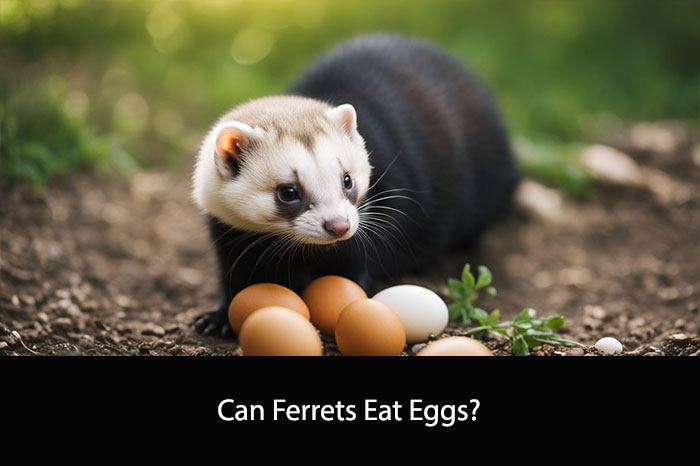

Ferrets are cute, playful, and intelligent animals that make great pets. They have a carnivorous diet and require a specific type of food to stay healthy. However, many pet owners wonder if they can feed their ferrets eggs.
Eggs are a popular food item for humans and are a source of protein and other essential nutrients. Some pet owners may assume that eggs are a healthy food option for their ferrets as well. However, it is important to understand whether eggs are safe for ferrets to consume and if they provide any nutritional benefits.
In this article, we will explore the question of whether ferrets can eat eggs. We will examine the nutritional value of eggs and whether they meet the dietary requirements of ferrets. Additionally, we will discuss the potential risks associated with feeding eggs to ferrets and provide recommendations for incorporating eggs into a ferret’s diet, if appropriate.
Can Ferrets Eat Eggs

Ferrets are obligate carnivores, which means that they require a diet that is high in protein and fat. Eggs are a good source of protein and fat, so it is natural to wonder if ferrets can eat eggs.
The answer is yes, ferrets can eat eggs, but it should be in moderation. Eggs should not be the primary source of protein in a ferret’s diet. Instead, it should be given as a treat or mixed with other meats.
When giving eggs to ferrets, it is important to ensure that they are cooked. Raw eggs can contain harmful bacteria that can cause digestive problems. Boiled or scrambled eggs are the best options for ferrets.
It is also important to note that eggshells should not be given to ferrets. Eggshells are not easily digestible and can cause digestive issues.
In summary, eggs can be a good source of protein and fat for ferrets when given in moderation and cooked properly. However, it should not be the primary source of protein in their diet.
Nutritional Benefits of Eggs for Ferrets
Eggs are a great source of nutrition for ferrets, providing them with a variety of essential nutrients. Here are some of the key nutritional benefits of eggs for ferrets:
Protein Content
Eggs are a great source of protein, which is essential for the growth and maintenance of a ferret’s body. In fact, eggs are considered a complete protein source, meaning they contain all of the essential amino acids that a ferret needs. One large egg contains around 6 grams of protein, which is a significant amount for a small animal like a ferret.
Fats and Fatty Acids
Eggs are also a good source of healthy fats and fatty acids, which help to support a ferret’s overall health. The yolk of an egg is particularly rich in these nutrients, with around 5 grams of fat and 1.6 grams of saturated fat per large egg. Additionally, eggs contain omega-3 fatty acids, which are important for a ferret’s brain and eye health.
Vitamins and Minerals
Eggs are packed with vitamins and minerals that are essential for a ferret’s health. For example, eggs are a good source of vitamin A, which is important for a ferret’s vision and immune system. They also contain vitamin D, which helps the body to absorb calcium and maintain strong bones. In addition, eggs are a good source of minerals like iron, which is important for healthy blood, and selenium, which is an antioxidant that helps to protect cells from damage.
Overall, eggs can be a healthy addition to a ferret’s diet, as long as they are fed in moderation and as part of a balanced diet. Ferrets should not be fed raw eggs, as they can contain harmful bacteria. Instead, eggs should be cooked thoroughly to ensure that they are safe for your ferret to eat.
Feeding Eggs to Ferrets

Ferrets are obligate carnivores, which means they require a diet that is primarily composed of meat. While eggs are not a natural part of their diet, they can be a nutritious addition when fed in moderation.
Raw vs Cooked Eggs
Raw eggs should be avoided as they can contain harmful bacteria such as Salmonella. Cooked eggs, on the other hand, are safe for ferrets to eat and can be a good source of protein. It is important to note that eggs should not be the sole source of protein in a ferret’s diet.
Frequency of Feeding
Eggs should only be fed to ferrets occasionally, as a treat. They should not make up a significant portion of their diet. It is recommended to feed eggs no more than once a week.
Portion Sizes
When feeding eggs to ferrets, it is important to keep portion sizes small. A quarter of a hard-boiled egg or a teaspoon of scrambled egg is a good portion size for a ferret. Overfeeding eggs can lead to digestive issues and obesity.
Overall, eggs can be a nutritious addition to a ferret’s diet when fed in moderation. It is important to remember that they should not be the sole source of protein and should only be fed occasionally as a treat. Cooked eggs should always be used, and portion sizes should be kept small.
Potential Risks and Considerations
When considering feeding eggs to ferrets, there are some potential risks and considerations to keep in mind. Here are some important factors to consider:
Salmonella Concerns
Eggs can carry the risk of salmonella, a type of bacteria that can cause illness in both humans and animals. Ferrets are particularly susceptible to salmonella, and can even carry the bacteria without displaying any symptoms. It is important to handle eggs properly and ensure they are cooked thoroughly before feeding them to your ferret. This can help reduce the risk of salmonella infection.
Cholesterol Content
Eggs are high in cholesterol, which can be a concern for ferrets. Ferrets are obligate carnivores, meaning they require a diet high in protein and fats, but excess cholesterol can lead to health problems such as heart disease and obesity. It is important to feed eggs in moderation and ensure that your ferret is getting a balanced diet overall.
Allergic Reactions
Some ferrets may be allergic to eggs, which can cause symptoms such as vomiting, diarrhea, and skin irritation. If you suspect your ferret may be allergic to eggs, it is best to avoid feeding them altogether. If your ferret has never had eggs before, it is a good idea to introduce them gradually and monitor for any signs of allergic reaction.
Overall, eggs can be a nutritious addition to a ferret’s diet when fed in moderation and handled properly. However, it is important to be aware of the potential risks and considerations before introducing eggs to your ferret’s diet.
Preparation and Serving Suggestions
Egg Recipes for Ferrets
Eggs are a great source of protein for ferrets. They can be served scrambled, boiled, or even raw. However, it is important to note that raw eggs can carry the risk of salmonella, so it is recommended to cook them before serving.
Scrambled eggs are a popular choice for ferrets. To make scrambled eggs, simply crack an egg into a bowl and whisk it until it is well mixed. Then, cook it in a non-stick pan over low to medium heat, stirring constantly, until it is fully cooked.
Boiled eggs are another option. To make boiled eggs, place an egg in a pot of water and bring it to a boil. Once the water is boiling, reduce the heat and let the egg cook for 8-10 minutes. Then, remove the egg from the water and let it cool before serving.
Mixing Eggs with Ferret Food
Eggs can also be mixed with ferret food to provide an extra boost of protein. Simply mix a scrambled or boiled egg into your ferret’s food, or use it as a topper. Be sure to mix it well to ensure that your ferret gets an even distribution of the egg.
Safe Handling and Storage
When handling eggs, it is important to practice good hygiene to prevent the spread of bacteria. Always wash your hands before and after handling eggs, and make sure to clean any surfaces or utensils that come into contact with the eggs.
Eggs should be stored in the refrigerator to prevent spoilage. They can be stored for up to a week, but it is recommended to use them within 3-4 days for optimal freshness.
Overall, eggs can be a nutritious and tasty addition to your ferret’s diet when prepared and served properly.
Alternatives to Eggs
Commercial Ferret Foods
There are many commercial ferret foods available in the market that offer a balanced diet for ferrets. These foods are specifically formulated to meet the nutritional requirements of ferrets and are often fortified with vitamins and minerals. Some of the popular brands of commercial ferret foods are Marshall Premium Ferret Diet, Wysong Ferret Epigen 90 Digestive Support, and Orijen Cat and Kitten Dry Food.
Other Protein Sources
Apart from eggs, there are many other protein sources that can be included in a ferret’s diet. Some of the popular protein sources for ferrets include chicken, turkey, lamb, beef, and fish. These protein sources can be offered in the form of raw or cooked meat, or as a part of a balanced commercial diet. It is important to note that ferrets require a high protein diet, and the protein content of their diet should be around 35-40%.
In addition to meat, ferrets can also be offered small amounts of fruits and vegetables. However, it is important to avoid feeding them foods that are high in sugar or carbohydrates, as these can lead to health problems such as insulinoma.
Overall, while eggs can be a good source of protein for ferrets, there are many alternative protein sources that can be included in their diet. It is important to offer a balanced diet that meets their nutritional requirements to ensure their overall health and well-being.
Frequently Asked Questions
Is it safe for ferrets to consume raw eggs?
Raw eggs can contain harmful bacteria such as salmonella, which can cause serious health issues in ferrets. It is not recommended to feed raw eggs to ferrets.
Are cooked eggs a suitable food for ferrets?
Cooked eggs can be a good source of protein for ferrets. However, it is important to note that eggs should not make up the majority of a ferret’s diet and should be fed in moderation.
How often can ferrets be fed eggs without health risks?
Ferrets can be fed eggs as an occasional treat, but it is not recommended to feed them eggs on a daily basis. Overfeeding eggs can lead to health issues such as obesity and digestive problems.
Can egg shells be included in a ferret’s diet?
Eggshells are a good source of calcium for ferrets, but they should be crushed into small pieces before feeding to prevent choking. It is important to note that eggshells should not make up a significant portion of a ferret’s diet.
What are the potential risks of feeding ferrets egg-based foods?
Feeding egg-based foods to ferrets can lead to health issues such as obesity and digestive problems if not fed in moderation. Additionally, raw eggs can contain harmful bacteria such as salmonella.
What dietary considerations should be taken into account when feeding eggs to ferrets?
When feeding eggs to ferrets, it is important to ensure that they are cooked and fed in moderation. Eggs should not make up the majority of a ferret’s diet and should be supplemented with other sources of protein and nutrients. It is also important to crush eggshells into small pieces before feeding to prevent choking.