
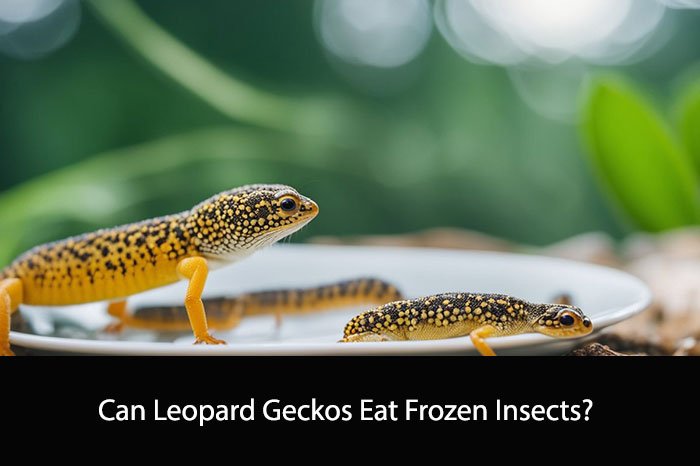
Leopard geckos are one of the most popular reptile pets due to their relatively easy care and unique personalities. As with any pet, it’s important to provide them with a balanced and healthy diet. While live insects are a staple in their diet, many owners wonder if frozen insects are a suitable alternative. In this article, we will explore the topic of whether leopard geckos can eat frozen insects.
Firstly, it’s important to understand the nutritional needs of leopard geckos. They require a diet high in protein and low in fat. Live insects such as crickets, mealworms, and dubia roaches are commonly fed to leopard geckos as they provide the necessary nutrients. However, some owners may prefer to use frozen insects for convenience or to avoid the hassle of keeping live insects.
So, can leopard geckos eat frozen insects? The answer is yes, they can. Frozen insects are a suitable alternative to live insects as long as they are properly thawed and warmed up to room temperature. However, it’s important to note that frozen insects may not be as nutritionally beneficial as live insects. In the next section, we will delve deeper into the pros and cons of feeding leopard geckos frozen insects.
Dietary Needs of Leopard Geckos

As responsible pet owners, it is important to understand the dietary needs of our leopard geckos. In the wild, leopard geckos are insectivores, meaning they primarily eat insects. In captivity, it is important to provide them with a balanced diet that mimics their natural diet.
Leopard geckos require a diet that is high in protein and low in fat. They also need a source of calcium and other essential vitamins and minerals. Feeding them a variety of insects such as crickets, mealworms, and waxworms can provide them with the necessary nutrients.
It is important to note that leopard geckos should not be fed wild-caught insects as they may contain harmful pesticides. Instead, it is recommended to purchase insects from a reputable supplier or breed them yourself.
In addition to live insects, leopard geckos can also eat frozen insects. Frozen insects can be a convenient option as they can be stored for longer periods of time and do not require as much maintenance as live insects. However, it is important to thaw the insects before feeding them to your gecko and ensure that they are at room temperature.
Overall, providing a balanced and varied diet is crucial for the health and well-being of your leopard gecko. Consult with a veterinarian or reptile specialist if you have any concerns about your gecko’s diet.
Benefits of Frozen Insects

Frozen insects have become increasingly popular in recent years as a convenient and nutritious food source for leopard geckos. Here are some of the benefits of feeding your gecko frozen insects:
Convenience
Frozen insects are incredibly convenient for gecko owners. They can be stored in the freezer for an extended period and thawed out as needed. This means that you can always have a ready supply of insects on hand, without having to worry about running out or making a last-minute trip to the pet store.
Nutritional Value
Frozen insects are just as nutritious as live insects, and in some cases, they may even be more nutritious. This is because freezing can help to break down the exoskeleton of the insect, making it easier for your gecko to digest. Additionally, frozen insects are often fortified with vitamins and minerals to ensure that they provide a balanced diet for your gecko.
Safety
Feeding live insects to your gecko can sometimes be risky, as they may carry parasites or other harmful organisms. Frozen insects, on the other hand, are thoroughly screened and sterilized to ensure that they are safe for consumption. This means that you can feed your gecko with confidence, knowing that they are getting a safe and nutritious meal.
In conclusion, frozen insects are an excellent food source for leopard geckos. They are convenient, nutritious, and safe, making them a great choice for gecko owners who want to provide their pets with the best possible care.
Types of Frozen Insects Suitable for Leopard Geckos

When it comes to feeding leopard geckos, live insects are the preferred choice. However, frozen insects can also be a great alternative. They are convenient, easy to store, and can be less expensive than live insects. Here are some types of frozen insects suitable for leopard geckos:
Mealworms
Mealworms are a popular choice for leopard geckos and are readily available in frozen form. They are high in protein and low in fat, making them a nutritious choice for your gecko. Frozen mealworms can be purchased in bulk and stored in the freezer for convenience.
Crickets
Crickets are another popular choice for leopard geckos and can also be purchased in frozen form. They are a good source of protein and can be a bit more active than mealworms, which can provide some stimulation for your gecko. Frozen crickets can be stored in the freezer and thawed as needed.
Dubia Roaches
Dubia roaches are a great alternative to crickets and mealworms. They are high in protein and low in fat, and are also a good source of calcium. Frozen Dubia roaches can be purchased in bulk and stored in the freezer for convenience.
It is important to note that not all frozen insects are suitable for leopard geckos. Some frozen insects may have additives or preservatives that can be harmful to your gecko. It is important to purchase frozen insects from a reputable source and to read the labels carefully to ensure that they are safe for your gecko to consume.
Preparing Frozen Insects for Feeding
When it comes to feeding leopard geckos, frozen insects are a convenient and nutritious option. However, it is important to properly prepare the frozen insects before feeding them to your gecko.
First, thaw the insects by placing them in a plastic bag and leaving them in warm water for about 15-20 minutes. Avoid using hot water or a microwave, as this can damage the insects and reduce their nutritional value.
Once the insects are thawed, it is important to dust them with a calcium and vitamin supplement to ensure your gecko is getting the necessary nutrients. This can be done by placing the insects in a plastic bag with a small amount of supplement powder and shaking gently to coat them.
Before feeding the insects to your gecko, it is also important to remove any uneaten prey from the enclosure to prevent the buildup of bacteria.
Overall, frozen insects can be a great addition to your leopard gecko’s diet, but it is important to properly prepare them to ensure your gecko is getting the necessary nutrition.
Risks and Considerations of Feeding Frozen Insects
When it comes to feeding leopard geckos, frozen insects are a popular choice among many owners. However, there are certain risks and considerations that should be taken into account before making this a regular part of your pet’s diet.
One of the main concerns with feeding frozen insects is the potential for bacterial contamination. While freezing can help to kill some bacteria, it is not a foolproof method and there is still a risk of harmful bacteria surviving. This can lead to infections and illnesses in your gecko if they consume contaminated insects.
Another consideration is the nutritional value of frozen insects. While they may be convenient and easier to store than live insects, they may not provide the same level of nutrition. Frozen insects can lose some of their nutritional value during the freezing and thawing process, which could lead to deficiencies over time if they are the sole source of food for your gecko.
It is also important to note that some geckos may not be interested in eating frozen insects. Leopard geckos are known for their picky eating habits and may not accept frozen insects as readily as live ones. This could lead to a lack of appetite and potential health issues if they are not consuming enough food.
Overall, while frozen insects may be a convenient option for feeding your leopard gecko, it is important to weigh the risks and considerations before making them a regular part of their diet. It is always a good idea to consult with a veterinarian or experienced reptile owner for advice on the best feeding practices for your specific gecko.
Frequency and Quantity of Frozen Insects in Diet
When it comes to feeding leopard geckos, it is important to provide them with a balanced diet that meets their nutritional needs. Frozen insects are a convenient and cost-effective option for many gecko owners, but it is important to consider the frequency and quantity of these insects in their diet.
We recommend feeding frozen insects to leopard geckos 2-3 times per week. This allows them to receive the necessary nutrients from a variety of food sources, while also preventing overfeeding and potential health issues.
In terms of quantity, it is recommended to feed adult leopard geckos 3-5 insects per feeding, while juvenile geckos should be fed 2-3 insects per feeding. It is important to monitor your gecko’s weight and adjust their feeding schedule accordingly to prevent underfeeding or overfeeding.
When feeding frozen insects, it is important to thaw them properly and remove any excess moisture before offering them to your gecko. This can be done by placing the insects in a plastic bag and letting them thaw in the refrigerator overnight. Once thawed, they can be offered to your gecko using feeding tongs or by placing them in a shallow dish.
Overall, frozen insects can be a great addition to a leopard gecko’s diet when fed in moderation and with proper preparation.
Alternatives to Frozen Insects for Leopard Geckos

While frozen insects are a convenient and popular option for feeding leopard geckos, there are alternative options that can provide a varied and nutritious diet. Here are some alternatives to consider:
Live Insects
Live insects are a great alternative to frozen insects as they provide a more natural hunting experience for leopard geckos. Some common live insects that can be fed to leopard geckos include crickets, mealworms, and dubia roaches. It’s important to ensure that the live insects are appropriately sized for your gecko and that they are gut-loaded (fed nutritious food) prior to feeding them to your gecko.
Commercial Diets
There are commercially available diets specifically formulated for leopard geckos that can provide a balanced and nutritious diet. These diets often come in the form of pellets or powders that can be mixed with water to create a paste. While these diets can be a convenient option, it’s important to ensure that they are supplemented with other food items to provide variety.
Fresh Foods
Fresh fruits and vegetables can be offered to leopard geckos as a supplement to their regular diet. Some suitable options include carrots, sweet potato, and leafy greens such as kale or collard greens. It’s important to ensure that any fresh foods offered to leopard geckos are chopped into small, bite-sized pieces and that they are thoroughly washed to remove any pesticides or contaminants.
Overall, while frozen insects are a popular and convenient option for feeding leopard geckos, there are alternative options that can provide a varied and nutritious diet. By offering a variety of food items, you can ensure that your leopard gecko is receiving all the necessary nutrients for optimal health.
Frequently Asked Questions
Is it safe for leopard geckos to consume freeze-dried mealworms?
Yes, it is safe for leopard geckos to consume freeze-dried mealworms. However, it is important to note that freeze-dried mealworms should not be the only food source for leopard geckos as they lack some essential nutrients.
What are the dietary risks of feeding frozen insects to leopard geckos?
Feeding frozen insects to leopard geckos is generally safe. However, it is important to ensure that the insects are properly thawed and warmed up to room temperature before feeding as cold insects can cause digestive problems.
Are there any benefits to feeding leopard geckos dried insects?
Dried insects can be a convenient alternative to live insects as they have a longer shelf life and are easier to store. However, it is important to ensure that the dried insects are properly fortified with essential vitamins and minerals.
What alternative foods can be offered to leopard geckos apart from live insects?
Leopard geckos can be offered a variety of alternative foods such as fruits, vegetables, and commercially available gecko diets. However, it is important to ensure that these foods are nutritionally balanced and appropriate for leopard geckos.
Can leopard geckos have adverse reactions to freeze-dried crickets?
Leopard geckos can have adverse reactions to freeze-dried crickets if they are not properly fortified with essential nutrients. It is important to ensure that freeze-dried crickets are properly supplemented before feeding.
What are some common foods that are harmful to leopard geckos?
Leopard geckos should not be fed foods that are high in fat or sugar such as chocolate, avocado, or processed human foods. Additionally, insects that are high in chitin such as mealworms or superworms should be fed in moderation as they can cause digestive problems if overconsumed.