
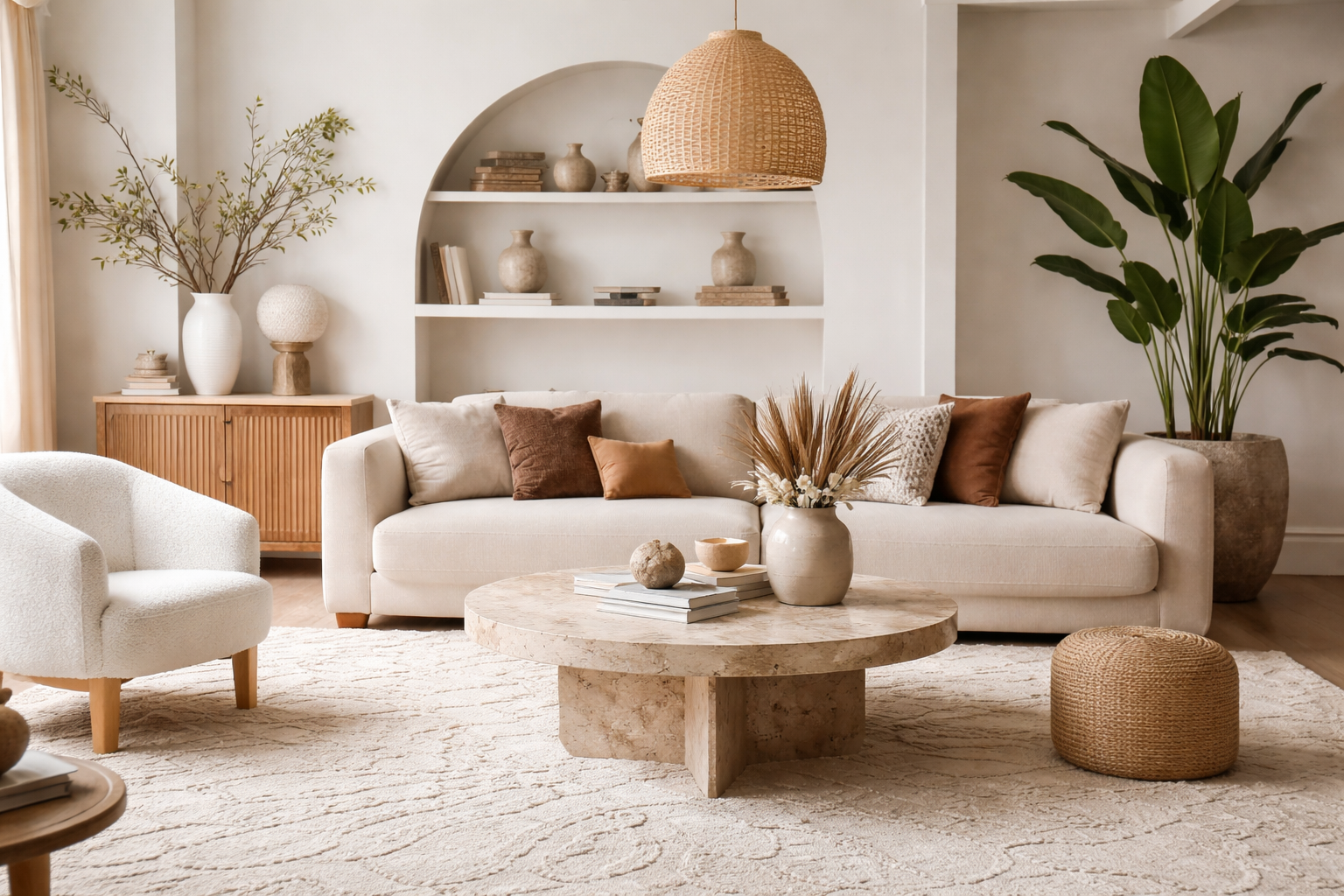
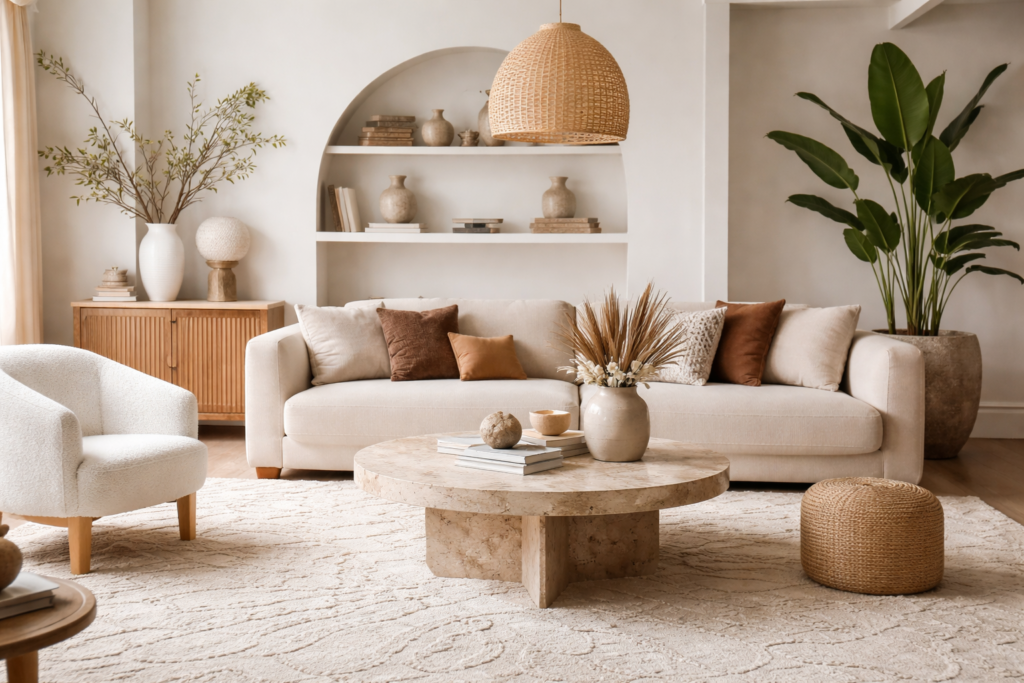
Interior design trends continue to evolve as homeowners look for spaces that combine comfort, functionality, and personal style. In 2026, design focuses on natural materials, flexible layouts, calming color palettes, and technology-friendly living environments.
This guide explores the most popular interior design trends shaping modern homes and how you can apply them to create stylish, practical spaces.
Why Interior Design Trends Matter
Following interior design trends helps homeowners create spaces that feel fresh, organized, and aligned with modern lifestyles. While trends change over time, many current ideas focus on long-term comfort and sustainability rather than short-term decoration styles.
Updating interiors can help:
- Improve comfort and usability
- Increase property appeal
- Reflect personal style
- Create relaxing living environments
- Support healthier indoor spaces
Nature-Inspired Design Is Growing in Popularity
Natural materials and organic textures remain one of the strongest interior design movements today. Many homeowners prefer designs that create calm and balanced living environments.
Common nature-inspired elements include:
- Wood furniture and flooring
- Indoor plants
- Stone textures
- Natural lighting
- Earth-tone color palettes
This approach helps create peaceful and welcoming interiors.
Warm Neutral Color Palettes Replace Cool Minimalism
While cool gray tones dominated previous years, warm neutrals are now more popular. Shades like beige, sand, cream, and soft brown create inviting spaces.
Warm neutrals work well in:
- Living rooms
- Bedrooms
- Home offices
- Open-plan kitchens
These tones also make rooms feel larger and more comfortable.
Multi-Functional Spaces for Modern Living
Flexible spaces have become essential as homes serve multiple purposes, including work, relaxation, and entertainment.
Examples of multi-functional design include:
- Convertible furniture
- Foldable desks
- Storage-integrated seating
- Room dividers for privacy
This trend improves usability without increasing space requirements.
Sustainable and Eco-Friendly Materials
Eco-conscious interior design continues to grow in importance. Many homeowners now choose materials that support environmental responsibility.
Popular sustainable choices include:
- Reclaimed wood furniture
- Energy-efficient lighting
- Natural fiber textiles
- Low-impact flooring materials
Sustainable interiors combine style with long-term environmental benefits.
Statement Lighting as a Design Feature
Lighting is no longer only functional. Decorative lighting now plays a major role in interior aesthetics.
Popular lighting trends include:
- Pendant lighting
- Layered lighting setups
- Warm ambient lighting
- Sculptural light fixtures
Strategic lighting improves both atmosphere and usability.
Textured Walls and Surfaces Add Depth
Flat wall finishes are increasingly replaced with textured surfaces that create visual interest.
Examples include:
- Wood panels
- Decorative plaster finishes
- Accent wallpaper
- Stone-inspired wall textures
Textured walls help rooms feel more dynamic and personalized.
Comfort-Focused Furniture Choices
Comfort has become a central priority in furniture selection. Oversized seating, soft fabrics, and ergonomic layouts improve daily living experiences.
Trending furniture features include:
- Curved sofas
- Deep lounge chairs
- Soft upholstery fabrics
- Rounded furniture edges
Comfort-driven design supports both relaxation and productivity.
Minimal Clutter With Smart Storage Solutions
Organized interiors continue to define modern home design. Hidden storage helps maintain clean visual layouts without reducing functionality.
Effective storage ideas include:
- Built-in shelves
- Under-bed storage
- Wall-mounted cabinets
- Multi-purpose furniture compartments
Smart storage creates calm and efficient spaces.
Personalized Interior Design Styles
Rather than following strict design rules, homeowners increasingly mix styles that reflect personal taste. Combining modern and traditional elements creates unique interiors.
Examples include:
- Vintage decor with modern lighting
- Minimal layouts with textured fabrics
- Neutral palettes with bold accent colors
Personalization helps spaces feel authentic and comfortable.
Frequently Asked Questions About Interior Design Trends
What are the biggest interior design trends in 2026?
Popular trends include natural materials, warm neutral colors, flexible living spaces, sustainable furniture, and statement lighting features.
Are minimalist interiors still popular?
Minimalism remains popular, but it now includes warmer textures, softer colors, and more comfortable furniture rather than strict simplicity.
How can I update my home without major renovation?
You can refresh interiors by changing lighting fixtures, adding textured decor, updating wall colors, and rearranging furniture layouts.
What colors are trending in modern interiors?
Warm neutrals such as beige, cream, terracotta, and soft brown tones are widely used in contemporary home design.
Is sustainable interior design expensive?
Not always. Many eco-friendly materials are affordable and help reduce long-term maintenance and energy costs.
Conclusion
Interior design trends in 2026 focus on comfort, sustainability, personalization, and flexible living spaces. By combining natural materials, warm color palettes, and smart storage solutions, homeowners can create interiors that remain stylish and functional for years to come.
{ “@context”: “https://schema.org”, “@type”: “FAQPage”, “mainEntity”: [ { “@type”: “Question”, “name”: “What are the biggest interior design trends in 2026?”, “acceptedAnswer”: { “@type”: “Answer”, “text”: “Popular trends include natural materials, warm neutral colors, flexible living spaces, sustainable furniture, and statement lighting features.” } }, { “@type”: “Question”, “name”: “Are minimalist interiors still popular?”, “acceptedAnswer”: { “@type”: “Answer”, “text”: “Minimalism remains popular, but it now includes warmer textures, softer colors, and more comfortable furniture rather than strict simplicity.” } }, { “@type”: “Question”, “name”: “How can I update my home without major renovation?”, “acceptedAnswer”: { “@type”: “Answer”, “text”: “You can refresh interiors by changing lighting fixtures, adding textured decor, updating wall colors, and rearranging furniture layouts.” } }, { “@type”: “Question”, “name”: “What colors are trending in modern interiors?”, “acceptedAnswer”: { “@type”: “Answer”, “text”: “Warm neutrals such as beige, cream, terracotta, and soft brown tones are widely used in contemporary home design.” } }, { “@type”: “Question”, “name”: “Is sustainable interior design expensive?”, “acceptedAnswer”: { “@type”: “Answer”, “text”: “Not always. Many eco-friendly materials are affordable and help reduce long-term maintenance and energy costs.” } } ] }