

Bearded dragons are known for their diverse diet, but it’s essential for reptile owners to ensure they provide suitable and safe food options. One common question that arises is whether bearded dragons can eat plums. In this article, we will explore the nutritional value of plums, potential risks, and guidelines for feeding plums to your bearded dragon.
Can Bearded Dragons Eat Plums?
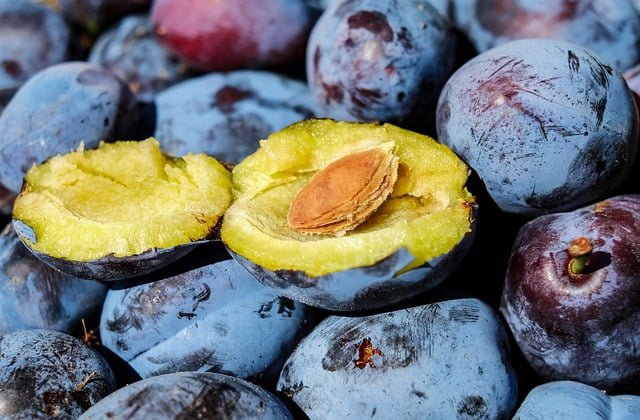
Yes, bearded dragons can eat plums in moderation. Plums contain several beneficial nutrients, including vitamins A, C, and K, as well as dietary fiber. However, it is essential to feed them plums as an occasional treat and not as a staple food item. The high sugar content in plums makes them unsuitable for regular consumption. Moderation is key to maintaining a balanced and healthy diet for your bearded dragon.
Nutritional Value of Plums for Bearded Dragons
Plums are a delicious fruit packed with various vitamins and minerals. They contain essential nutrients that can contribute to the overall health of your bearded dragon. Here are some key nutritional components found in plums:
- Fiber: Plums are a good source of dietary fiber, which aids in digestion and promotes a healthy digestive system in bearded dragons.
- Vitamins: Plums contain vitamins A, C, and K, which are important for supporting immune function, growth, and overall well-being in bearded dragons.
- Minerals: Plums are rich in minerals like potassium and manganese, which are vital for proper muscle and nerve function in reptiles.
Potential Risks and Precautions
While plums offer nutritional benefits, there are potential risks associated with feeding them to your bearded dragon. Here are some factors to consider:
- Oxalates: Plums contain oxalates, which are natural compounds that can bind to calcium and form crystals. High oxalate consumption may lead to calcium deficiency or the development of kidney stones in bearded dragons. Therefore, plums should be given in moderation.
- Pesticides: Ensure the plums you feed your bearded dragon are organic or thoroughly washed to remove any pesticides or chemicals that could be harmful to reptiles.
- Allergies or Digestive Issues: Some bearded dragons may be sensitive to new foods, including plums. Introduce plums gradually and monitor your pet for any signs of allergies or digestive upset. If any adverse reactions occur, discontinue feeding plums immediately.
Guidelines for Feeding Plums to Bearded Dragons
To safely incorporate plums into your bearded dragon’s diet, follow these guidelines:
- Moderation: Offer plums as an occasional treat rather than a staple food. Limit the portion size to small, bite-sized pieces.
- Preparation: Wash the plum thoroughly to remove any potential contaminants. Remove the pit and cut the plum into appropriate-sized portions for your bearded dragon.
- Variety: Remember to provide a balanced diet for your bearded dragon. Plums should be complemented with other fruits, vegetables, leafy greens, and a source of protein, such as insects.
- Observation: Watch your bearded dragon closely after introducing plums to their diet. Look for any signs of allergic reactions, digestive issues, or changes in behavior. If any problems arise, consult a reptile veterinarian promptly.
Can Baby Bearded Dragons Eat Plums
When it comes to baby bearded dragons, their diet requires extra attention and consideration. While plums may seem tempting to offer, it’s generally recommended to avoid feeding plums to baby bearded dragons. Young bearded dragons have more delicate digestive systems and may struggle to process the high sugar content in plums. It’s best to stick to a diet primarily consisting of appropriately sized insects and leafy greens until they mature.
Can Bearded Dragons Eat Dried Plums?
Dried plums, commonly known as prunes, are plums that have undergone a dehydration process. While dried fruits can be a convenient snack for humans, they are not suitable for bearded dragons. Dried plums have a significantly higher sugar concentration than fresh plums. Excessive sugar intake can lead to digestive issues, obesity, and other health problems in bearded dragons. Therefore, it’s advisable to avoid feeding dried plums to your scaly companion.
Can Bearded Dragons Eat Plum Skin?
The skin of a plum is often tougher and more challenging to digest compared to the flesh. Although some bearded dragons may be able to consume small amounts of plum skin without adverse effects, it’s generally recommended to remove the skin before offering plums to your reptile. By doing so, you can reduce the risk of digestive issues and potential choking hazards associated with consuming tough skins.
Can Bearded Dragons Eat Red Plums?
Red plums, like other varieties of plums, should be offered to bearded dragons in moderation. While the flesh of red plums is safe for bearded dragons to consume, it’s essential to remember that plums are relatively high in sugar. Feeding too many red plums can lead to weight gain and potential health complications. As with any fruit, including red plums in your bearded dragon’s diet should be done in moderation and as part of a balanced feeding routine.
Can Bearded Dragons Eat Plum Tomatoes?
Plum tomatoes are a specific variety of tomatoes known for their oblong shape and firm texture. While tomatoes can be a part of a bearded dragon’s diet, plum tomatoes should be fed in moderation due to their high water content. Bearded dragons require a balanced ratio of calcium and phosphorus, and excessive water consumption can disrupt this balance. Additionally, tomatoes contain a compound called solanine, which can be toxic to reptiles in large quantities. It’s best to offer plum tomatoes as an occasional treat rather than a staple food item.
Conclusion
In conclusion, while bearded dragons can consume certain fruits, including plums, it’s important to exercise caution and moderation. Plums should be offered in small amounts and as part of a varied and balanced diet. Remember to remove the skin, avoid dried plums, and prioritize leafy greens and insects as the main components of a bearded dragon’s diet. Regularly consult with a reptile veterinarian or herpetologist to ensure the optimal nutrition and well-being of your bearded dragon.