

Tortoises are herbivorous animals that require a balanced diet to maintain their health and wellbeing. As a result, it’s important to ensure that their diet is varied and contains all the necessary nutrients. One question that often arises is whether tortoises can eat aloe vera.
Aloe vera is a succulent plant that is known for its medicinal properties. It is often used in skincare products and is believed to have anti-inflammatory and antioxidant properties. However, when it comes to feeding it to tortoises, there is some debate.
Some tortoise owners believe that aloe vera can be a beneficial addition to their pet’s diet, while others are more cautious. In this article, we will explore the question of whether tortoises can eat aloe vera and provide some guidance on how to safely incorporate it into their diet if it is deemed safe.
What is Aloe Vera?

Aloe vera is a succulent plant that belongs to the family of Xanthorrhoeaceae. It is a popular plant that is used for various purposes, including medicinal, cosmetic, and culinary. Aloe vera is native to Africa, but it is now found in many parts of the world, including Asia, Europe, and America.
The leaves of the aloe vera plant are thick and fleshy, with a gel-like substance inside. This gel is rich in vitamins, minerals, and antioxidants, which make it a popular ingredient in many health and beauty products.
Aloe vera is also known for its medicinal properties. It has been used for centuries to treat various ailments, including burns, wounds, and skin infections. Aloe vera is believed to have anti-inflammatory and antibacterial properties, which make it an effective natural remedy for many health issues.
Overall, aloe vera is a versatile plant that has many benefits. However, it is important to note that not all parts of the plant are safe for consumption. In the next section, we will discuss whether tortoises can eat aloe vera and if it is safe for them.
Understanding Tortoise Diet
When considering what to feed a tortoise, it’s important to understand their natural diet. Tortoises are herbivores, which means they primarily eat plants. In the wild, they eat a variety of vegetation, including grasses, weeds, flowers, and leaves.
Tortoises require a diet that is high in fiber and low in protein. They also need a variety of nutrients, including calcium, phosphorus, and vitamins A and D. It’s important to provide a balanced diet to ensure they receive all the necessary nutrients.
Feeding a tortoise a diet that is high in protein can lead to health problems, such as shell deformities and kidney damage. It’s also important to avoid feeding them foods that are high in oxalic acid, such as spinach and rhubarb, as this can interfere with calcium absorption.
When offering new foods to a tortoise, it’s important to introduce them slowly and in small quantities. This helps to prevent digestive upset and allows the tortoise to adjust to the new food.
In summary, a tortoise’s diet should consist of a variety of vegetation that is high in fiber and low in protein. It’s important to provide a balanced diet that includes the necessary nutrients and to avoid foods that can lead to health problems.
Can Tortoises Eat Aloe Vera?
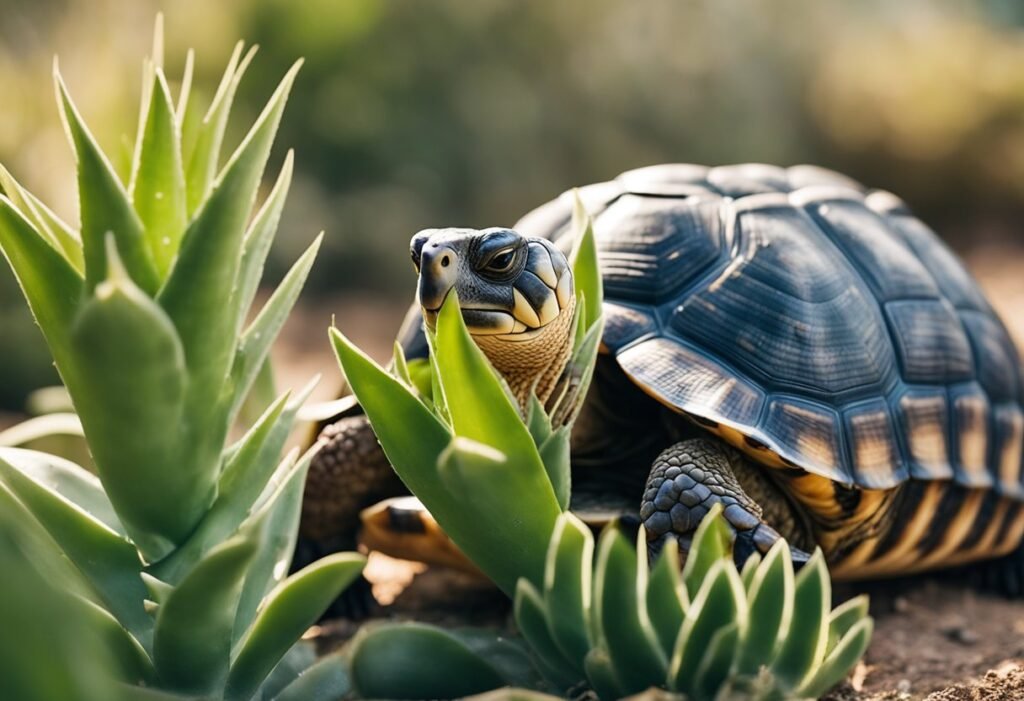
We know that tortoises are herbivores, and they love to munch on greens, fruits, and vegetables. But, can they eat aloe vera?
Aloe vera is a succulent plant that has been used for medicinal purposes for centuries. It has a gel-like substance inside the leaves that is rich in vitamins, minerals, and antioxidants. But, is it safe for tortoises to consume?
After conducting research, we have found that aloe vera is not toxic to tortoises. However, it should not be a significant part of their diet.
Aloe vera has laxative properties that can cause diarrhea if consumed in large quantities. Additionally, the spines on the plant can be harmful to tortoises if they try to eat them. Therefore, it is essential to remove the spines before feeding aloe vera to your tortoise.
If you decide to feed your tortoise aloe vera, make sure to do it in moderation. A small amount as a treat is okay, but it should not be a staple in their diet.
In conclusion, while aloe vera is not toxic to tortoises, it should not be a significant part of their diet. If you are unsure about feeding your tortoise aloe vera or any other food, consult with a veterinarian who specializes in reptiles.
Effects of Aloe Vera on Tortoises
Aloe vera is a succulent plant that is known for its medicinal properties. It has been used for centuries to treat a variety of ailments, including skin conditions, digestive issues, and inflammation. However, when it comes to feeding aloe vera to tortoises, there are some things that you should be aware of.
Firstly, it is important to note that aloe vera is not a natural part of a tortoise’s diet. Tortoises are herbivores and primarily eat grasses and leafy greens. While aloe vera is not toxic to tortoises, it is not a plant that they would normally encounter in the wild.
Feeding aloe vera to tortoises in small amounts is generally safe. However, too much aloe vera can cause digestive issues such as diarrhea. In addition, the latex in aloe vera can irritate the digestive tract and cause discomfort.
If you do decide to feed aloe vera to your tortoise, it is important to prepare it properly. You should remove the outer skin of the plant and rinse the gel thoroughly to remove any traces of latex. It is also important to note that aloe vera should not be fed to tortoises that are suffering from any digestive issues or illnesses.
In conclusion, while aloe vera can be fed to tortoises in small amounts, it is not a necessary part of their diet and should be given with caution. If you are unsure about feeding aloe vera to your tortoise, it is best to consult with a veterinarian who specializes in reptile care.
Alternative Foods for Tortoises
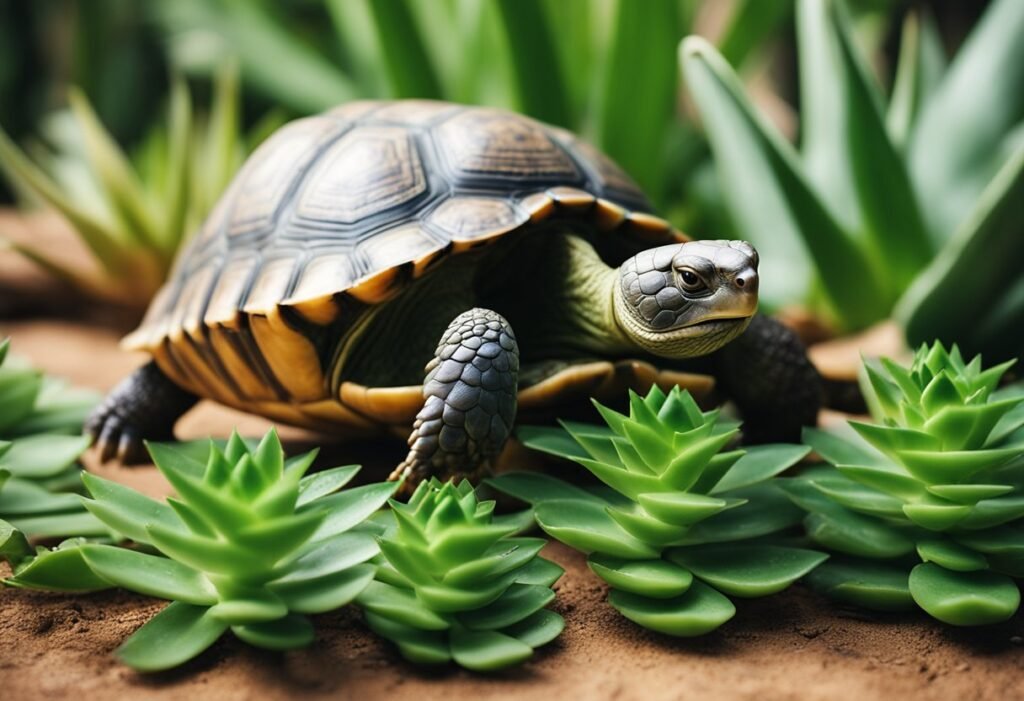
As tortoises are herbivores, it is important to provide them with a balanced diet that includes a variety of foods. While aloe vera is not a recommended food for tortoises, there are plenty of other options that can provide the necessary nutrients for their health.
Here are some alternative foods that tortoises can eat:
- Leafy Greens: Tortoises love leafy greens such as kale, collard greens, and dandelion greens. These greens are rich in vitamins and minerals that are essential for their health.
- Vegetables: Vegetables like carrots, bell peppers, and squash are also great options for tortoises. They provide a good source of fiber and other important nutrients.
- Fruits: While fruits should be given in moderation due to their high sugar content, tortoises can still enjoy fruits like strawberries, blueberries, and bananas.
- Grasses and Hay: Tortoises also enjoy grazing on grasses and hay. Timothy hay is a good option as it is high in fiber and low in protein.
It is important to avoid feeding tortoises foods that are high in protein, fat, or sugar. Additionally, make sure to provide fresh water at all times and avoid feeding them foods that are toxic to their health. By providing a balanced diet, you can ensure that your tortoise stays healthy and happy.
Conclusion
In conclusion, while aloe vera is safe for human consumption and has many health benefits, it is not recommended as a regular food source for tortoises. While some tortoises may nibble on aloe vera plants in the wild, it is not a natural part of their diet and can cause digestive issues if consumed in large quantities.
If you do choose to feed your tortoise aloe vera, it is important to do so in moderation and ensure that the plant has not been treated with any pesticides or chemicals. It is also important to note that aloe vera should never be the sole source of nutrition for your tortoise.
Instead, we recommend providing your tortoise with a balanced diet of leafy greens, vegetables, and fruits, along with a source of calcium and protein. This will help ensure that your tortoise receives all of the nutrients they need to stay healthy and happy.
Frequently Asked Questions

Are there any tortoise-safe succulents besides aloe vera?
Yes, there are many tortoise-safe succulents besides aloe vera. Some examples include prickly pear cactus, hens and chicks, and sedum.
What are some tortoise-safe plants besides aloe vera?
In addition to succulents, there are many other tortoise-safe plants that you can feed your pet. Some examples include dandelion greens, clover, and endive.
Is it safe for tortoises to eat cactus?
Yes, tortoises can eat cactus, but you should remove the spines and prickly parts before feeding it to them. Prickly pear cactus is a good option for tortoises.
Can Russian tortoises safely eat aloe vera?
Yes, Russian tortoises can safely eat aloe vera in moderation. However, it is important to remove the outer layer of the plant before feeding it to your pet.
How much aloe vera can tortoises safely consume?
Tortoises should only consume a small amount of aloe vera as a treat, as it can cause diarrhea if they eat too much. A small piece once a week is sufficient.
What plants are poisonous to tortoises?
There are many plants that are poisonous to tortoises, including azaleas, rhododendrons, and lilies. It is important to research any plants before feeding them to your pet to ensure they are safe.