
Can Tortoises Eat Cauliflower?
Tortoises are known for their herbivorous diet, which includes a variety of vegetables and fruits. However, not all vegetables are suitable for tortoises, and it is important to know which ones are safe for them to consume. One vegetable that often raises questions among tortoise owners is cauliflower. Can tortoises eat cauliflower?
The answer is yes, tortoises can eat cauliflower. In fact, cauliflower is a nutritious vegetable that is rich in vitamins and minerals, including vitamin C, vitamin K, and folate. It also contains antioxidants that can help boost the immune system and reduce inflammation. However, it is important to feed cauliflower to tortoises in moderation, as too much can cause digestive issues.
When feeding cauliflower to tortoises, it is best to chop it into small pieces and mix it with other vegetables to create a balanced diet. It is also important to avoid feeding them cauliflower leaves or stems, as they can be tough and difficult to digest. By following these guidelines, tortoise owners can safely incorporate cauliflower into their pet’s diet and provide them with a variety of nutritious foods.
Understanding Tortoise Diet
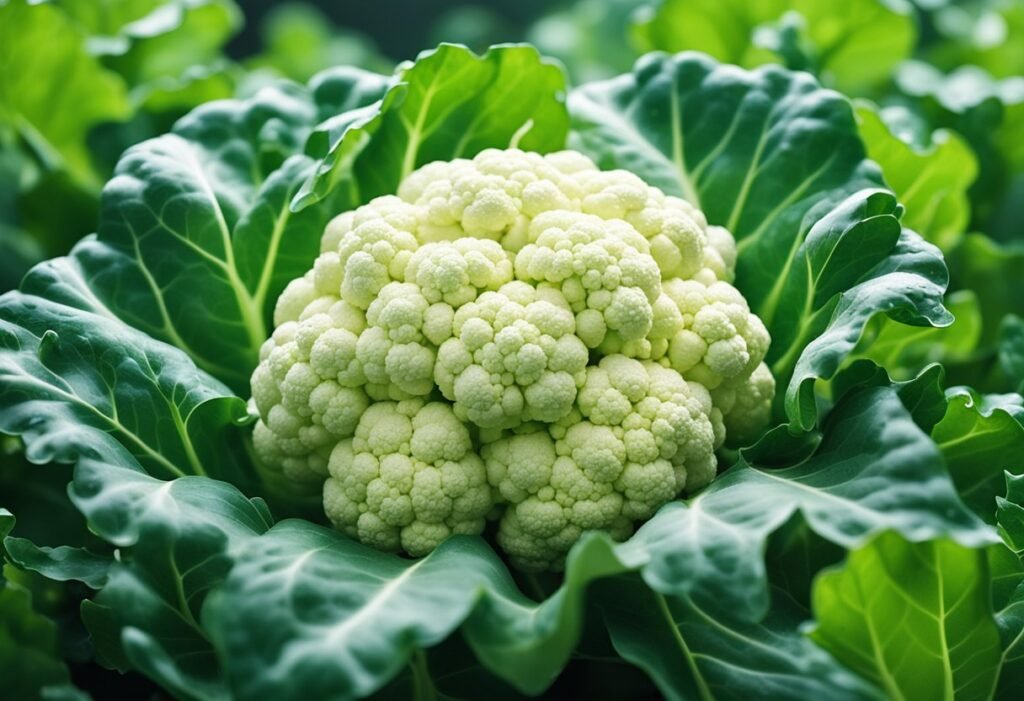
Tortoises are herbivores, meaning they eat only plants. Their diet is primarily composed of leafy greens, vegetables, and fruits.
General Diet
When it comes to feeding tortoises, it’s important to provide a varied diet to ensure they get all the necessary nutrients. A diet that is too limited can lead to health problems. In general, tortoises should be fed a combination of the following:
- Leafy greens (such as kale, collard greens, and dandelion greens)
- Vegetables (such as carrots, squash, and sweet potato)
- Fruits (such as strawberries, raspberries, and mango)
It’s also important to provide a source of calcium, which is necessary for the development and maintenance of a tortoise’s shell. This can be done by offering calcium-rich foods such as calcium powder or cuttlebone.
Specifics of Cauliflower
Cauliflower is a safe food for tortoises to eat in moderation. It can be given raw or cooked, but it’s important to remove any leaves or stems, as they can be tough to digest.
Cauliflower is a good source of fiber and vitamin C, but it is not a significant source of calcium. Therefore, it should not be the primary source of food for your tortoise.
When feeding cauliflower, it’s important to remember that it should only make up a small portion of your tortoise’s overall diet. Offering too much cauliflower can lead to digestive problems, so it’s important to feed it in moderation.
Overall, cauliflower can be a healthy addition to your tortoise’s diet, but it should be given in combination with other foods to ensure a balanced diet.
Health Implications of Cauliflower

Cauliflower is a nutritious vegetable that can be a healthy addition to a tortoise’s diet. However, it is important to be aware of the potential health benefits and risks associated with feeding cauliflower to your tortoise.
Benefits
Cauliflower is a good source of vitamins and minerals that can help keep your tortoise healthy. It is high in vitamin C, which is important for the immune system and can help prevent illness. Cauliflower also contains vitamin K, which is essential for blood clotting, and vitamin B6, which is important for brain function.
In addition to vitamins, cauliflower is also a good source of fiber, which can help regulate digestion and prevent constipation in tortoises. The high water content of cauliflower can also help keep your tortoise hydrated.
Potential Risks
While cauliflower can be a healthy addition to a tortoise’s diet, there are some potential risks to be aware of. One of the main concerns is the high oxalate content in cauliflower. Oxalates can bind with calcium in the body, which can lead to the formation of kidney stones in tortoises.
To minimize the risk of kidney stones, it is important to feed cauliflower in moderation and to balance it with other calcium-rich foods. It is also important to provide your tortoise with plenty of fresh water to help flush out any excess oxalates.
Another potential risk of feeding cauliflower to tortoises is the possibility of gastrointestinal upset. Some tortoises may be sensitive to the high fiber content of cauliflower, which can cause bloating, gas, and diarrhea.
Overall, cauliflower can be a healthy addition to a tortoise’s diet when fed in moderation and balanced with other nutritious foods. As with any new food, it is important to monitor your tortoise for any signs of digestive upset and to consult with a veterinarian if you have any concerns.
Feeding Techniques
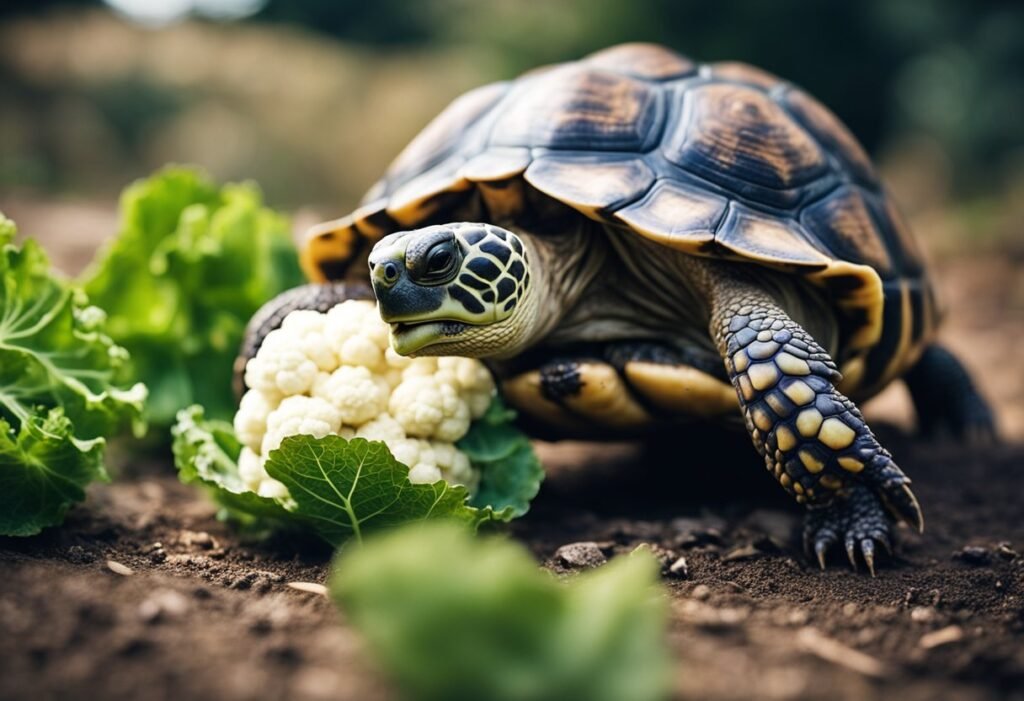
When it comes to feeding tortoises cauliflower, there are a few techniques to keep in mind. Here are some important factors to consider:
Frequency
We recommend feeding cauliflower to your tortoise no more than once a week. While cauliflower is a great source of nutrients, it is also high in sulfur, which can cause digestive issues if consumed in excess.
Portion Size
When feeding cauliflower to your tortoise, it’s important to keep portion sizes in mind. A good rule of thumb is to offer a piece of cauliflower that is no larger than the size of your tortoise’s head. This will ensure that your tortoise is able to easily digest the cauliflower and avoid any potential digestive issues.
It’s also important to note that cauliflower should never make up the majority of your tortoise’s diet. While it can be a healthy addition, tortoises require a varied diet that includes a mix of vegetables, fruits, and protein sources.
In summary, feeding cauliflower to your tortoise can be a great way to provide them with essential nutrients. However, it’s important to do so in moderation and keep portion sizes in mind. As always, consult with a veterinarian or tortoise expert if you have any concerns about your pet’s diet.
Alternative Foods
While cauliflower can be a nutritious addition to a tortoise’s diet, it’s important to provide them with a variety of foods to ensure they receive all the necessary nutrients. Here are some alternative foods that tortoises can eat:
Leafy Greens
Leafy greens such as kale, collard greens, and dandelion greens are excellent sources of vitamins and minerals for tortoises. They are also low in calories, making them a great addition to a tortoise’s diet.
Vegetables
In addition to cauliflower, tortoises can also eat other vegetables such as carrots, sweet potatoes, and squash. These vegetables are high in fiber and provide a good source of vitamins and minerals.
Fruits
Fruits should be fed in moderation due to their high sugar content, but they can be a tasty treat for tortoises. Some fruits that tortoises can eat include strawberries, raspberries, and melons.
Protein
Tortoises need protein in their diet to maintain healthy muscles and organs. Some good sources of protein for tortoises include cooked chicken, eggs, and insects such as crickets and mealworms.
Remember to always research the specific dietary needs of your tortoise species and consult with a veterinarian before making any significant changes to their diet.
Conclusion
In conclusion, tortoises can eat cauliflower as part of their diet. However, it is important to remember that cauliflower should only be given to tortoises in moderation.
Cauliflower is a good source of vitamins and minerals that can benefit a tortoise’s health. It is also low in calories, making it a good choice for tortoises that need to maintain a healthy weight.
When feeding cauliflower to tortoises, it is important to chop it up into small pieces to make it easier for them to eat. It is also important to ensure that the cauliflower is fresh and free from any pesticides or chemicals.
Overall, cauliflower can be a healthy addition to a tortoise’s diet when given in moderation. As with any new food, it is important to introduce it gradually and monitor your tortoise’s reaction to ensure that they are tolerating it well.
Frequently Asked Questions
What vegetables are safe for tortoises to eat?
Tortoises are herbivores and require a diet that is rich in vegetables. Some safe vegetables for tortoises to eat include leafy greens like kale, collard greens, and dandelion greens. Other safe vegetables include carrots, green beans, and bell peppers.
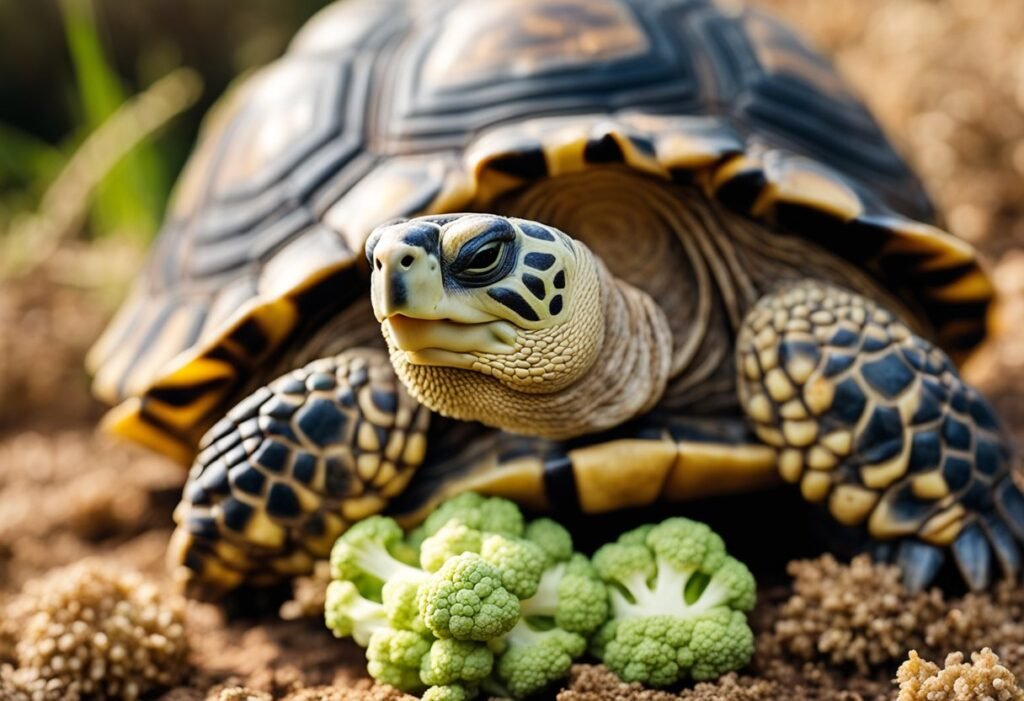
Can Hermann tortoises eat broccoli?
Yes, Hermann tortoises can eat broccoli. Broccoli is a safe vegetable for tortoises to eat in moderation. However, it is important to note that broccoli should not make up the majority of a tortoise’s diet.
Can tortoises eat zucchini?
Yes, tortoises can eat zucchini. Zucchini is a safe vegetable for tortoises to eat in moderation. It is important to note that while zucchini can be a healthy addition to a tortoise’s diet, it should not make up the majority of their diet.
What foods are poisonous to tortoises?
Some foods that are poisonous to tortoises include avocado, rhubarb, and tomato leaves. It is important to research any new foods before feeding them to your tortoise to ensure they are safe.
Can box turtles eat cauliflower?
Yes, box turtles can eat cauliflower. Cauliflower is a safe vegetable for box turtles to eat in moderation. However, it is important to note that cauliflower should not make up the majority of a box turtle’s diet.
Can turtles have cauliflower?
Yes, turtles can have cauliflower. Cauliflower is a safe vegetable for turtles to eat in moderation. However, it is important to note that cauliflower should not make up the majority of a turtle’s diet.