

If you’re considering adding an exotic pet to your family, you may have come across sugar gliders and chinchillas. Both animals have their unique qualities, and it’s essential to understand the differences between them before making a decision. In this comprehensive guide, we’ll explore the world of sugar glider vs chinchilla, discussing their characteristics, care requirements, and more to help you choose the perfect pet for your lifestyle.
1. Origins and Natural Habitat
Sugar Gliders
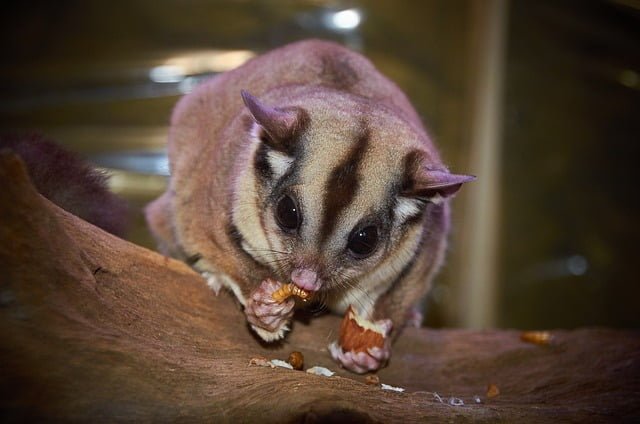
Sugar gliders are small marsupials native to Australia, New Guinea, and the surrounding islands. They live in forests, where they glide from tree to tree using their patagium, a membrane that stretches from their wrists to their ankles.
Chinchillas
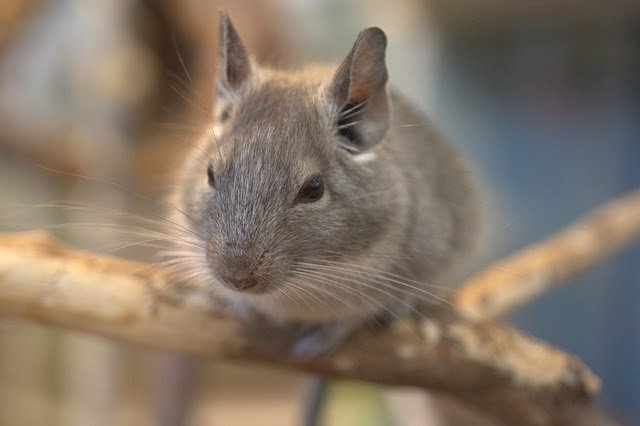
Chinchillas are rodents native to the Andean mountain range in South America. They live in rocky, arid environments at high elevations. Chinchillas have dense fur that allows them to withstand the cold temperatures of their natural habitat.
2. Physical Characteristics
Sugar Gliders
Sugar gliders are small, weighing between 4-6 ounces and measuring around 5-7 inches in length, excluding their tail. They have large, expressive eyes, which help them see in low-light conditions. Sugar gliders come in various color variations, though gray is the most common.
Chinchillas
Chinchillas are larger than sugar gliders, weighing between 1-3 pounds and measuring around 9-14 inches in length, excluding their tail. They have large, round ears and eyes, giving them a curious appearance. Chinchillas have incredibly soft, dense fur, which comes in various colors, including gray, white, beige, and ebony.
3. Lifespan and Health
Sugar Gliders
When properly cared for, sugar gliders can live between 10-15 years in captivity. They can suffer from health issues like malnutrition, metabolic bone disease, and dental problems if not provided with a proper diet and regular veterinary care.
Chinchillas
Chinchillas have a longer lifespan, living between 15-20 years in captivity with proper care. Common health issues include dental problems, respiratory infections, and gastrointestinal stasis. Regular veterinary care is essential to ensure their well-being.
4. Diet and Nutrition
Sugar Gliders
Sugar gliders are omnivorous, with their diet in the wild consisting mainly of nectar, fruit, insects, and small vertebrates. In captivity, they require a balanced diet of commercially available pellet food, fresh fruits, vegetables, and insects. It’s important to provide a calcium supplement to prevent metabolic bone disease.
Chinchillas
Chinchillas are herbivores, with their diet mainly consisting of hay and specially formulated chinchilla pellets. They should also be provided with fresh vegetables and occasional treats like fruit and nuts. Chinchillas have specific dietary requirements, and it’s crucial to avoid high-fat and high-sugar foods.
5. Housing and Environment
Sugar Gliders
Sugar gliders require a large, well-ventilated cage with multiple levels for climbing and jumping. They should have plenty of branches, perches, and hiding places, as well as a nesting box for sleeping. Sugar gliders are nocturnal, so their cage should be placed in a quiet area of your home that doesn’t receive direct sunlight.
Chinchillas
Chinchillas also need a large, multi-level cage with plenty of space for climbing and jumping. They require a dust bath to keep their fur clean and healthy, and a hiding place for sleeping. Chinchillas are sensitive to heat and humidity, so their cage should be placed in a cool, well-ventilated area of your home.
6. Socialization and Interaction
Sugar Gliders
Sugar gliders are social animals that thrive in the company of other sugar gliders. They should be kept in pairs or small groups to prevent loneliness and stress. Sugar gliders may take some time to bond with their human caregivers but can become affectionate and interactive pets with patience and consistent handling.
Chinchillas
Chinchillas are also social animals that do well in pairs or small groups. They can be shy at first but will become more interactive with their human caregivers through regular handling and playtime. Chinchillas may not be as affectionate as sugar gliders, but they can still form strong bonds with their owners.
7. Exercise and Enrichment
Sugar Gliders
Sugar gliders need plenty of exercise and mental stimulation to stay healthy and happy. They should have ample space in their cage for climbing and gliding, as well as toys like ropes, swings, and ladders. Sugar gliders can also benefit from supervised playtime outside of their cage in a safe, enclosed space.
Chinchillas
Chinchillas also require regular exercise and mental stimulation. They love to jump, climb, and explore, so providing a variety of toys and structures in their cage is essential. Chinchillas can also enjoy supervised playtime outside of their cage in a safe, enclosed space.
8. Grooming and Hygiene
Sugar Gliders
Sugar gliders are relatively low-maintenance when it comes to grooming. They groom themselves, and their fur stays clean without the need for bathing. However, it’s essential to regularly clean their cage and replace bedding to prevent odors and maintain a healthy environment.
Chinchillas
Chinchillas require more specific grooming, as their dense fur needs regular dust baths to stay clean. Provide a shallow container filled with chinchilla dust for them to roll in a few times a week. Like sugar gliders, chinchillas also require regular cage cleaning and bedding replacement.
9. Cost and Availability
Sugar Gliders
Sugar gliders can be more expensive than chinchillas, with prices ranging from 500, depending on factors like age, coloration, and breeder reputation. They can be found through reputable breeders or rescues, though it’s crucial to ensure you’re purchasing a healthy, well-socialized animal.
Chinchillas
Chinchillas are generally less expensive than sugar gliders, ranging from 200. They can be found through reputable breeders, pet stores, or rescues. As with sugar gliders, it’s essential to ensure you’re purchasing a healthy, well-socialized chinchilla.
10. Legal Considerations
Before deciding on a sugar glider or chinchilla as a pet, it’s essential to research your local laws and regulations surrounding exotic pet ownership. Some areas may have restrictions or require permits for keeping these animals as pets.
Conclusion
Both sugar gliders and chinchillas can make wonderful exotic pets for the right person. When considering sugar glider vs chinchilla, it’s crucial to understand their specific care requirements, socialization needs, and long-term commitment. Ultimately, the best pet for you will depend on your lifestyle, preferences, and ability to meet their unique needs.